Building your own residential property represents an exceptional milestone that demands meticulous coordination, rigorous quality controls, and a structured operational framework from the outset.
Without an exhaustive timeline, self-build properties can quickly suffer from extensive project delays, expensive structural errors, and frustrating communication breakdowns with hired professionals.
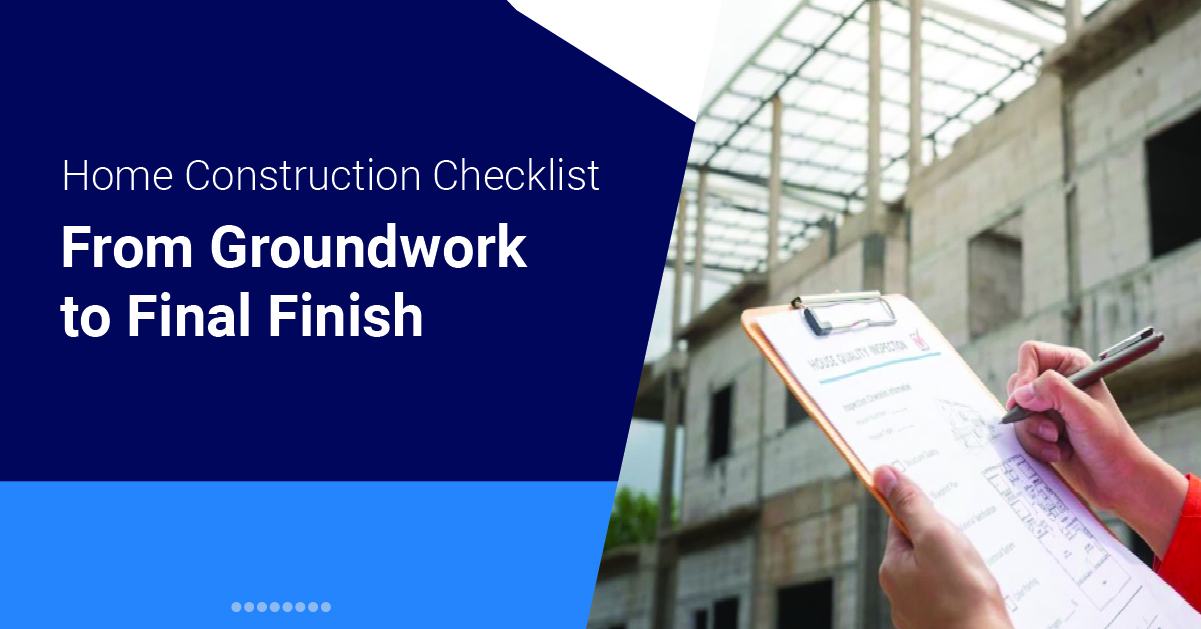
Utilising a structured home construction checklist ensures you remain fully aware of daily progress, regulatory compliance benchmarks, and foundational quality requirements at every single stage.
This blog navigates through the critical phases of residential engineering, transforming a complex build into an orderly sequence of successful milestones.
This blog navigates through the critical phases of residential engineering, transforming a complex build into an orderly sequence of successful milestones.
Phase 1: Pre-Construction Planning and Documentation
Before any heavy excavation machinery arrives on site, the entire administrative groundwork must be flawlessly completed to establish a lawful and secure operational environment. You must secure comprehensive planning permissions, obtain detailed structural calculations, and execute formal contracts with certified architectural planners and principal project contractors.
Employing a strong home builder checklist during this foundational phase helps you methodically cross-reference local building regulations, site boundary surveys, and structural drawings. Navigating these early bureaucratic challenges with precision prevents future legal disputes, structural design compromises, and unexpected compliance interventions by local municipal planning authorities.
It is equally wise to review regional expertise, especially when engaging specialised real estate builders in Chennai, Bangalore, Hyderabad, or other prominent cities to manage complex structural foundations. These regional engineering specialists possess specific technical insights regarding coastal soil variations, local building approval mechanisms, and optimal structural adaptations for tropical climate conditions.
Phase 2: Substructure and Site Groundwork
The long-term durability of your residential property depends entirely on the structural integrity of its foundation elements and early site preparation work. The initial civil works involve site clearing, extensive earth excavation, precise boundary marking, and the establishment of deep concrete footing systems.
Maintaining a dedicated builder checklist during groundwork ensures engineers verify the exact depth of trenches, steel reinforcement bar layouts, and damp-proof membrane installations. Correctly managing underground drainage networks and utility service connections at this stage prevents catastrophic water ingress issues and structural settling problems down the line.
Engineers must test the structural load-bearing capacity of your specific soil type before pouring heavy industrial concrete into the prepared excavation trenches. Ensuring the sub-base layer is completely level and thoroughly compacted provides a stable platform for all subsequent above-ground blockwork and bricklaying operations.
Phase 3: Superstructure and Core Shell Construction
With the foundations securely in place, the visible shape of your residential dwelling begins to emerge rapidly as structural walls are systematically erected. This intense physical phase encompasses bricklaying, placement of structural steel beams, upper-floor installation, and assembly of the timber roof truss system.
Consistently executing a thorough builders’ inspection checklist guarantees that brickwork courses remain perfectly vertical, wall ties are correctly spaced, and lintels are properly supported. Weatherproofing the core shell by completing the roof tiling, installing external insulation boards, and fitting double-glazed windows represents a critical structural milestone.
Once the primary envelope is sealed against external elements, your interior spaces are fully protected from rain damage, allowing subsequent trades to operate efficiently. Close inspection of load-bearing internal partitions ensures the building skeleton conforms exactly to the approved architectural layouts and engineering requirements.
Phase 4: Procurement of Premium Components
The ultimate durability and visual appeal of a new residence depend directly on selecting high-specification materials designed for long-term structural performance. Sourcing premium items requires coordinating multiple supply chains, verifying manufacturer certifications, and organising secure on-site storage to protect goods from weather exposure.
A comprehensive building materials checklist should detail structural concrete grades, structural timber specifications, moisture-resistant plasterboards, and specific thermal insulation ratings for walls. Verifying consignment notes against engineering specifications ensures substandard or incorrect items are rejected before tradespeople attempt to install them within the property.
Prioritise sourcing sustainable, high-grade components that offer superior thermal efficiency and structural resilience, thereby reducing future maintenance costs and operational building energy expenditure. Bulk purchasing essential items early in the development timeline protects your broader project from supply chain shortages and sudden inflationary market adjustments.
Phase 5: First Fix Services and Internal Linings
The internal infrastructure phase involves installing the essential hidden networks that power, heat, and supply water throughout your modern residential living spaces. This complex phase requires close cooperation between certified electrical contractors, plumbing specialists, and heating engineers before closing up any wall cavities.
Your comprehensive home construction checklist must track the precise positioning of electrical plug sockets, lighting circuits, central heating pipework, and main waste drainage channels. Installing structural acoustic insulation within internal partition frames before hanging moisture-resistant plasterboards ensures quiet living spaces and enhanced building thermal efficiency.
All plumbing runs must undergo rigorous pressure testing to detect hidden leaks before plasterers seal the walls with premium finishing coats. Similarly, electrical installers must verify circuit continuity and insulation resistance to guarantee complete operational safety across the entire internal wiring infrastructure.
Phase 6: Second Fix and Internal Finishes
Second fix operations transform raw internal spaces into beautiful, functional rooms by installing visible fixtures, detailed joinery components, and decorative surface treatments. This meticulous phase includes hanging internal doors, fitting skirting boards, installing kitchen cabinetry, and completing intricate bathroom tiling layouts.
Utilising your detailed home builder checklist allows you to systematically verify the alignment of cabinetry, the clearances between internal doors, and the smooth operation of the ironmongery. Electricians now install visible switch plates, light fittings, and consumer units, while plumbers connect sanitary ware, taps, and domestic hot water systems.
Meticulous attention to detail during internal plastering, timber sanding, and initial paint priming coats establishes the essential foundation for flawless final interior decoration. Ensure internal rooms are kept completely free of excessive dust during these finishing stages to prevent damage to delicate paint and varnish finishes.
Phase 7: Final Snagging and Handover Inspection
Prior to formal legal handover and moving your family into the new property, an exhaustive independent aesthetic and functional assessment must be conducted. This final stage systematically identifies minor cosmetic defects, operational irregularities, and outstanding trade items that require immediate rectification by the primary contractor.
Deploying a rigorous new build snagging checklist helps homeowners meticulously inspect plaster smoothness, paint consistency, window seals, and the operation of individual external door locks. Check every plumbing fixture for proper drainage and inspect tiled surfaces for hairline cracks or uneven grout lines.
A secondary run-through of the comprehensive building materials checklist confirms that all installed fixtures meet the premium specifications outlined in your original contract. Identifying these minor technical discrepancies early ensures the principal contractor rectifies every single issue before final project retention payments are formally released.
Receiving your official completion certificate marks the formal conclusion of a highly successful, structurally sound, and beautifully finished residential building journey.
A Structured Path to a Dream Home
A well-planned residential project relies on structure, discipline, and continuous monitoring throughout construction. From initial approvals and groundwork to structural development, interior finishing, and final inspection, each phase plays a critical role in delivering a durable home.
Following a structured home construction checklist helps maintain clarity across all activities, reduces the risk of errors, and ensures high-quality standards. It also supports better coordination between contractors, engineers, and site teams, making the entire process more organised and predictable.
When every stage is carefully tracked and reviewed, the result is a well-built property that meets both functional and design expectations.