Introduction
The Karnataka state government has made significant strides toward transparency in property management. For anyone owning or planning to purchase property in the rural parts of the state, understanding “what is E-Swathu in Karnataka” is a vital step. This initiative has revolutionised how land records are maintained, ensuring that property owners are protected from fraud and that transactions are legally sound.
This blog explains the meaning, purpose, and benefits of the E-Swathu online portal.
Table of Contents
- The Meaning of E-Swathu
- The Purpose of E-Swathu
- Key Documents: Form 9 and Form 11
- Benefits of the E-Swathu Portal
- Make Smarter Ownership Decisions
The Meaning of E-Swathu
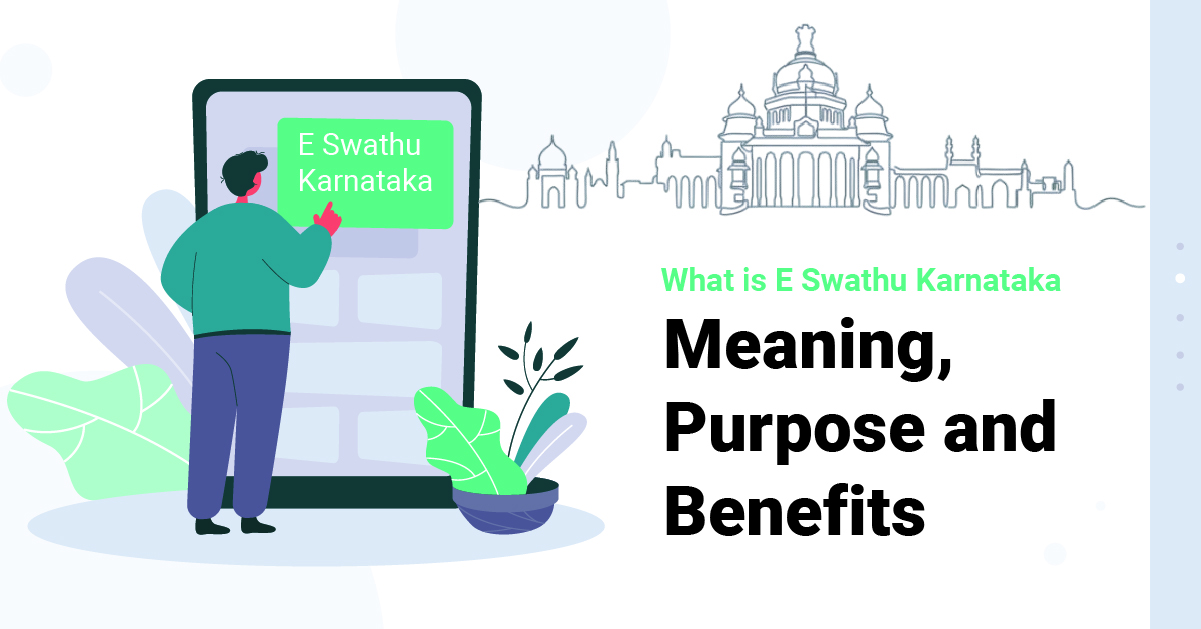
The term “Swathu” in Kannada translates to “Property.” Therefore, E-Swathu, Karnataka, refers to an electronic platform for property records. Managed by the Rural Development and Panchayat Raj (RDPR) department, it is a specialised portal designed to maintain the latest records of ownership and physical details of properties falling under the jurisdiction of Gram Panchayats.
Before this system was introduced, property records were maintained manually in physical registers. This often led to errors, document loss, and even unauthorised alterations. By moving these records to the E-Swathu online portal, the government has ensured that every piece of land has a digital identity that is easily verifiable.
The Purpose of E-Swathu
The primary objective of E-Swathu, Karnataka, is to provide a centralised, transparent database of rural properties. One of the biggest challenges in rural real estate was the proliferation of unauthorised layouts and the sale of sites without the necessary government approvals.
By using this portal, the government can:
-
Monitor the growth of residential and commercial layouts.
-
Ensure that all properties are taxed correctly.
-
Prevent the registration of illegal properties at the Sub-Registrar’s office.
Key Documents: Form 9 and Form 11
To understand how the system works, one must look at the two primary documents generated through the portal:
-
Form 9
This is an important revenue document issued for properties that fall within the village “Gram Thana” limits. It acts as an official confirmation that the property exists within legally defined boundaries and is recognised by the local revenue authorities. This document also indicates that the land or property has passed the necessary checks and carries the required approvals under local regulations.
In simple terms, Form 9 establishes the legal status of a property and ensures it is properly recorded in government records, reducing ambiguity in ownership and land classification.
-
Form 11
It is an extract taken from the Register of Properties maintained by local authorities. It plays a key role in property tax administration by containing detailed information about the property owner, including their tax assessment records. This includes the tax amount due, payments made, and any outstanding liabilities linked to the property.
Form 11 essentially works as a financial and ownership reference document for the government, ensuring proper tracking of tax compliance. For property owners, it serves as a reliable record confirming their tax history and helping maintain transparency in property-related financial obligations.
These documents are mandatory for anyone looking to sell property in rural Karnataka. Without these digital forms, the department of stamps and registration will not proceed with the property transfer.
Benefits of the E-Swathu Portal
The shift to a digital system has brought about several advantages for both the government and the general public:
-
Reduction in Forgery
With records stored digitally and protected by secure login systems, it becomes extremely difficult for anyone to tamper with or create fake property documents. This adds a strong layer of safety in property ownership records.
-
Ease of Access
Property owners can log in and check their land or property details anytime, from anywhere in the world. This is especially useful for NRIs who manage or monitor ancestral property in places like Karnataka without having to make physical visits.
-
Loan Approvals
Banks and financial institutions now rely heavily on digital records, such as Form 9 and Form 11, before approving home loans or loans against property. This speeds up verification and makes the lending process smoother and more reliable.
-
Market Transparency
Digital records create a clear and traceable ownership history for each property. This helps buyers easily verify details during due diligence and makes the overall real estate market more open and trustworthy.
Make Smarter Ownership Decisions
The E-Swathu initiative is a landmark achievement for the state of Karnataka. It has successfully moved the needle from opaque, manual record-keeping to a digital-first approach. By understanding the portal’s functions, property owners can ensure their investments are secure and their titles are clear.
Whether you are managing your village home through the digital portal or looking at premium flats for sale in Pune, always prioritise verified government records to ensure a hassle-free ownership experience.