Introduction
Buying a home is one of the most significant decisions in life, and every detail matters for comfort, positivity, and prosperity.
A West-facing house plan offers unique advantages, but aligning it with Vastu principles can unlock the full potential of energy flow, happiness, and success within your home. From optimal room placements to auspicious entrances, every small detail contributes to a harmonious living experience.
If you are curious about how Vastu can transform a West-facing property into a source of positivity, you are in the right place. Let us look at some insights on Vastu for a West-facing house.
Table of Contents
- Is Vastu for a West-facing Home Good?
- Understanding West-facing House Vastu Plan
- Benefits of Vastu Shastra for a West-facing House
- Buyer Verification Checklist for a West-facing House Vastu Plan
- Things to Avoid in a West-Facing House Vastu
- Why Invest in Casagrand's West-facing House?
- FAQs
Is Vastu for a West-facing Home Good?
Yes, a West-facing home is considered suitable in Vastu Shastra. Vastu principles place importance on how the main entrance, kitchen, bedrooms and other living spaces are arranged within the home. In Indian traditions, the West direction is associated with Lord Varuna, the deity of water, who represents abundance, order and prosperity.
Families who follow these traditional beliefs can look at the overall floor plan, entrance placement and room orientations when choosing a West-facing property. A well-planned layout can bring together cultural preferences, everyday comfort and the needs of a modern household.
Understanding West-facing House Vastu Plan
Vastu Shastra for a West-facing house involves strategic planning to ensure energy flows seamlessly throughout the home.
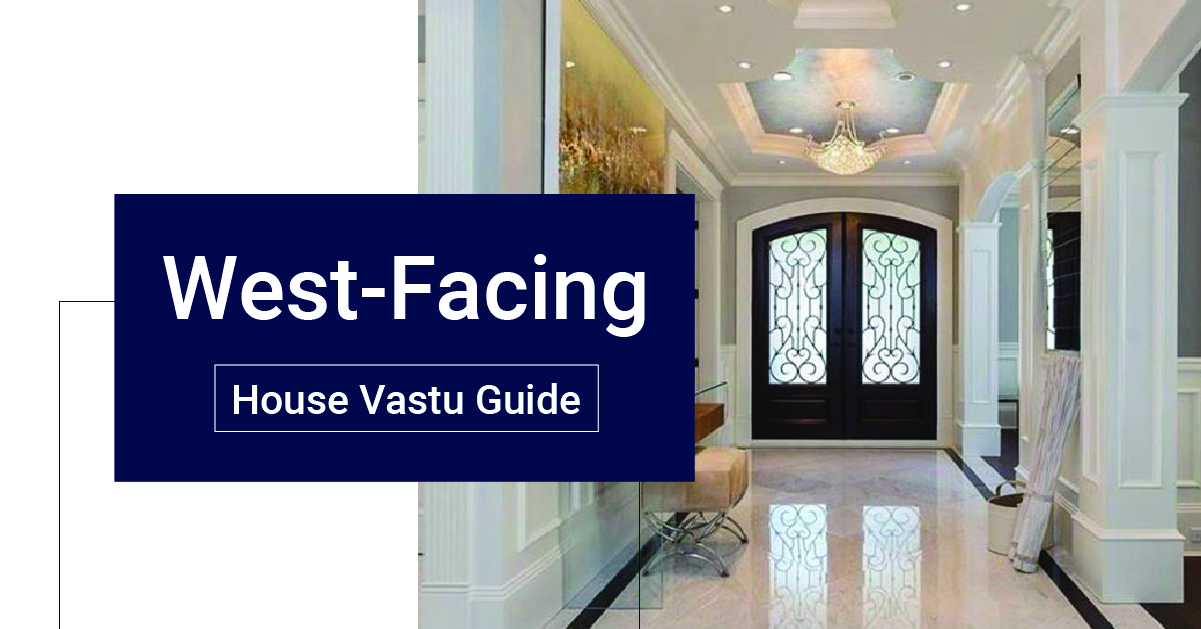
- Main Entrance: The entrance of a West-facing house plays a role in welcoming positive energy. Positioning it in the Northwest or directly on the West side is considered most auspicious. Ensuring the entrance area is well-lit, clean, and unobstructed creates a vibrant and inviting atmosphere for homebuyers and guests alike.
- Living Room: The living room should ideally be located in the North or West of the home. This placement allows natural light to fill the room, creating a cheerful, energising environment for family gatherings and entertainment. Proper furniture arrangement is important for maintaining balance and the flow of energy.
- Kitchen: According to Vastu, kitchens in the West side corners are optimal. The cooking area should allow the person to face West while preparing meals, as this direction is believed to enhance health and prosperity. Proper ventilation and natural light in the kitchen also contribute to a positive environment.
- Bedrooms: Master bedrooms in the Southwest ensure stability and strength in life. Children’s bedrooms in the West or Northwest support creativity, confidence, and personal growth. Arranging the beds so that heads face south or east can improve sleep quality and overall well-being.
- Bathrooms and Utility Areas: Bathrooms are best placed in the Northwest or Southeast to avoid accumulation of negative energy. Utility areas in the North or East help maintain harmony and ensure that chores and daily routines run smoothly and efficiently.
- Colours and Décor: Light and soothing colours such as beige, light yellow, or pastel shades are ideal. Avoid overly dark or bright shades in living areas, as they may disrupt balance and calm.
- Open Spaces: Gardens, balconies, or verandahs in the North or East invite positivity, enhance airflow, and create a connection with nature. Open spaces allow energy to circulate freely, bringing freshness into the home.
A well-thought-out West-facing house plan as per Vastu balances functionality with positivity, creating a home that is energised, comfortable, and harmonious.
Benefits of Vastu Shastra for a West-facing House
Following Vastu for a West-facing house comes with many advantages that enhance the quality of life. The benefits of Vastu for a West-facing house extend beyond aesthetics to encompass health, prosperity, and personal growth.
- Positive Energy: A West-facing house aligned with Vastu ensures smooth energy circulation throughout the home. Every room, doorway, and open space contributes to a natural flow that enhances the overall ambience.
- Health and Well-being: Vastu-aligned kitchens, bedrooms, and bathrooms can have a subtle yet significant effect on physical and mental health. Homes that follow these principles often feel more refreshing and balanced.
- Financial Stability: West-facing homes designed with Vastu in mind are believed to attract abundance and opportunities. Correct placement of main areas and entrances can create an environment conducive to financial growth.
- Harmonious Relationships: Proper room arrangements support peaceful coexistence among family members. Vastu encourages positive interaction, mutual respect, and understanding in shared living spaces.
- Enhanced Productivity: For those working from home, a Vastu-compliant study or office in the right direction promotes focus, creativity, and motivation. The placement of desks and seating arrangements influences both efficiency and mental clarity.
The benefits of Vastu for a West-facing house allow homebuyers to experience increased positivity, confidence, and a sense of overall well-being in their daily lives.
Buyer Verification Checklist for a West-facing House Vastu Plan
Before finalising your West-facing home, it is important to review practical aspects that ensure comfort, safety, and long-term harmony.
- Ensure natural cross-ventilation in all rooms.
- Check sunlight exposure throughout the day in key areas.
- Assess noise levels from nearby roads or construction.
- Verify proper water drainage and no stagnant water spots.
- Confirm storage and utility spaces do not clutter main rooms.
- Check structural symmetry and avoid irregular layouts.
- Observe the neighbourhood vibe and community harmony.
- Ensure easy access to exits and emergency routes.
- Evaluate future expansion or modification possibilities.
- Consider the long-term maintenance feasibility of the property.
Things to Avoid in a West-Facing House Vastu
While planning a west-facing house Vastu plan, certain layout choices are traditionally avoided to maintain balance and harmony within the home. Keeping these points in mind can help homebuyers assess the layout while also checking practical aspects such as ventilation, lighting and space utilisation.
- Main Entrance in the Southwest: Vastu Shastra traditionally recommends avoiding a main entrance in the Southwest part of a west-facing house. Entrances towards the Northwest or suitable West-side positions are generally preferred.
- Kitchen in the Southwest: The Southwest is traditionally considered suitable for the master bedroom rather than the kitchen. The Southeast is preferred for kitchen placement, with the Northwest as an alternative.
- Master Bedroom in the Northeast: Avoid placing the master bedroom in the Northeast, as Vastu associates this direction with openness and lighter activities. The Southwest is traditionally preferred for the master bedroom.
- Bathrooms in the Northeast: Bathrooms and toilets in the Northeast are traditionally discouraged. The Northwest or Southeast may be considered, depending on the overall west-facing house plan.
- Blocked North and East Openings: Avoid obstructing windows and open spaces in the North and East with bulky furniture or unnecessary storage. These areas are traditionally kept lighter and more open to support natural light and ventilation.
- Dark Colours in Living Spaces: Excessive use of dark shades in common areas may make interiors feel enclosed. Lighter shades such as cream, beige and pastel yellow are traditionally preferred for a balanced atmosphere.
- Cluttered Entrance and Passageways: Avoid placing bulky furniture, shoe racks or storage units that obstruct the main entrance. A clean, well-lit entrance creates a welcoming first impression and supports convenient movement.
Why Invest in Casagrand's West-facing House?
For those seeking an apartment in Hyderabad that is thoughtfully designed, Vastu-compliant residences are an ideal choice. Careful planning of layouts, bedroom orientations, and spacious interiors helps optimise energy flow and create a comfortable living environment.
Such designs ensure that every corner of the house contributes to positivity, harmony, and well-being, allowing residents to enjoy a balanced and energised lifestyle from day one. Casagrand offers a range of Vastu-aligned properties that combine these principles with modern amenities and elegant finishes. Schedule a visit to our office today.
FAQs
Are west-facing homes good as per Vastu?
Yes, West-facing homes are considered suitable according to Vastu Shastra. The West direction is associated with Lord Varuna and traditionally represents abundance and prosperity. The placement of the entrance, kitchen, bedrooms and other rooms also contributes to the home’s Vastu alignment.
How should the entrance and main door be positioned in a west-facing house?
According to traditional Vastu principles, the main entrance of a West-facing house is preferred in the western side’s favourable padas (divisions). The exact placement depends on the house layout and entrance measurements. Keeping the entrance clean, well-lit and free from obstructions is also recommended.
Which rashi is good for a west-facing home?
In traditional Vastu and astrology beliefs, West-facing homes are sometimes considered favourable for people belonging to Tula (Libra), Mithuna (Gemini) and Kumbha (Aquarius) rashis. However, recommendations can vary across Vastu and astrological traditions. The overall house layout and individual preferences also matter when selecting a home.
Which is the best Vastu plan for a west-facing house?
A suitable West-facing house Vastu plan generally places your master bedroom in the Southwest, kitchen in the Southeast, living room in the North or West, and entrance in a favourable section of the western side. It should also provide good ventilation, natural light and comfortable movement between rooms.