Introduction
Every well-functioning residential community operates on a structured governance framework. This framework ensures that lighting, security, water supply, and maintenance funds are properly managed each quarter, maintaining day-to-day operations and safeguarding residents’ interests and property values.
In most communities, these responsibilities are organised and overseen by a Resident Welfare Association (RWA). As urbanisation increases and housing regulations become more complex, understanding RWAs’ structure, functions, and legal duties is essential for residents, builders, and policymakers.
Let’s explore what a resident welfare association is, how it functions, and what regulations govern it.
Table of Contents
- What is RWA in Society and What Does It Mean?
- What is the Structure of an RWA?
- How are RWA Members Selected?
- Essential Responsibilities of a Resident Welfare Association
- Legal Provisions and Compliance for RWAs in India
- Key Limitations of RWA
- Building a Stronger Community Through Active Participation
What is RWA in Society and What Does It Mean?
The RWA is a registered, non-profit body formed collectively by the residents of a housing society, apartment complex, or gated community. Its primary mandate is to represent residents’ interests, oversee communal infrastructure, and serve as the official point of contact between the community and external authorities. This includes municipal corporations, utility providers, and local law enforcement.
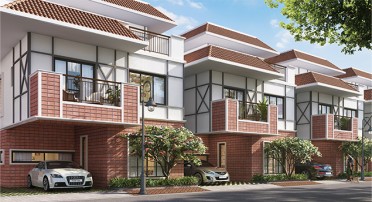
Suppose you are living in gated villas in Bangalore; the RWA in your community would ensure that shared facilities are well-maintained, security protocols are followed, and coordination with authorities is smooth, highlighting the practical role these associations play in everyday life.
In practice, it is the administrative backbone of any organised residential community, functioning through democratic elections, defined by-laws, and a structured leadership committee.
What is the Structure of an RWA?
An RWA generally follows a formal organisational structure with designated roles and responsibilities. Key positions typically include:
- President: Heads the RWA, oversees all activities, and represents the association in external matters.
- Secretary: Manages day-to-day operations, including correspondence, record-keeping, and organising meetings.
- Treasurer: Handles financial matters, including budgeting, accounting, and financial reporting.
- Other Positions: These may include vice-president, joint secretary, and committee members, each assigned specific duties.
How are RWA Members Selected?
Members of an RWA are generally chosen through elections conducted among the society’s residents. Initially, an interim committee is formed to draft the bye-laws and supervise the election process. Residents nominate candidates for key positions such as President, Secretary, and Treasurer.
This process clarifies who can be a member of RWA, ensuring that only eligible residents participate in voting and candidature. Elections are typically held via secret ballot to guarantee fair and democratic representation. The elected individuals then constitute the executive committee, which oversees the RWA’s activities and administration.
Essential Responsibilities of a Resident Welfare Association
Understanding what RWA in society is requires looking closely at the breadth of responsibilities these associations carry.
- Keeping Common Areas in Good Condition: The RWA ensures that all shared spaces, including gardens, playgrounds, lifts, and parking lots, are kept in good repair and accessible to all residents at all times.
- Ensuring the Safety of Every Resident: From deploying and supervising security personnel to managing visitor entry protocols, the association implements measures to safeguard the community’s daily safety.
- Managing Society Funds Responsibly: Maintenance charges collected from residents are managed transparently, with funds allocated judiciously for the upkeep and improvement of the society. Annual audits ensure full accountability.
- Resolving Disputes Before They Escalate: Disagreements between residents, whether over parking, noise, or shared spaces, are addressed through a structured mediation process, helping maintain a civil and peaceful living environment.
- Building a Stronger Sense of Community: Cultural programmes, festivals, and social gatherings are organised regularly to encourage meaningful engagement among residents.
- Representing Residents to External Authorities: The RWA serves as the liaison between residents and external authorities, ensuring that collective concerns reach the appropriate channels.
Legal Provisions and Compliance for RWAs in India
RWAs derive their authority not from goodwill alone but from a well-defined legal framework. Understanding these regulations is essential for residents, builders, and committee members to ensure proper governance and compliance.
- The Societies Registration Act, 1860: This foundational legislation governs the registration of most RWAs across India. It sets out the drafting of bye-laws, the composition of managing committees, and the rights and obligations of members. A registered RWA has legal standing, allowing it to enter into contracts, open bank accounts, and initiate or respond to legal proceedings in its own name.
- The Real Estate (Regulation and Development) Act, 2016 (RERA): RERA brought significant changes to the formation and empowerment of RWAs. Section 11(4)(e) requires builders to facilitate the formation of an RWA within three months of allotting the majority of units.
If the builder fails to act, the allottees have the right to form the RWA independently. Section 17 further mandates that all common areas, facilities, and project documents be transferred to the RWA within 30 days of the issuance of the Occupancy Certificate. Non-compliance can trigger action from the respective state RERA authority. - State-level Apartment Ownership Acts: Several states have introduced legislation to supplement central laws. Karnataka follows the Karnataka Apartment Ownership Act, 1972. These state-specific laws regulate registration procedures, governance norms, and dispute resolution mechanisms, which residents must consider depending on their location.
- GST Regulations on Maintenance Charges: As of 2026, GST compliance remains a complex area for RWAs. Maintenance contributions and turnover limits determine whether GST applies, and courts have issued differing interpretations, making clarity essential for residents and committees.
- Exemption Threshold: Under CBIC Notification No. 12/2017, maintenance contributions of up to ₹7,500 per member per month are exempt from GST. Amounts exceeding this threshold attract an 18% levy.
- Turnover Requirement: RWAs with an annual turnover exceeding ₹20 lakh are required to obtain GST registration. Both the turnover and the per-member contribution conditions must be met for GST to apply.
- Conflicting Legal Interpretation: The Madras High Court (2021) ruled that GST applies only to the maintenance amount exceeding ₹7,500.
Given this conflict, residents and RWA committees are advised to seek qualified legal counsel until a definitive ruling is issued.
Key Limitations of RWA
While RWAs play a crucial role in residential governance, they face certain inherent limitations:
- Restricted Jurisdiction: Authority is confined to the housing society’s premises; RWAs cannot intervene in municipal or governmental matters.
- Dependence on Cooperation: Their effectiveness relies on residents’ support and coordination with local authorities, which may not always be consistent.
- Financial Constraints: Limited budgets can restrict the implementation of projects or improvements.
- Diverse Resident Opinions: Conflicting views among residents can complicate decision-making and slow down initiatives.
Building a Stronger Community Through Active Participation
An engaged resident base can shape a housing society into a well-managed and vibrant community. Active involvement in RWA activities, such as attending meetings, participating in elections, and contributing to committees, helps ensure that decisions reflect the needs of all residents.
Staying aware of legal frameworks, including RERA and state-specific apartment laws, supports informed participation and accountability.
Working collaboratively with fellow residents allows for better planning of initiatives, improved facilities, and stronger security measures. Coordination between builders, society managers, and RWAs further strengthens transparency and day-to-day operations.
A proactive approach to community living not only enhances property maintenance and quality of life but also fosters a more connected and responsible residential environment.