Introduction
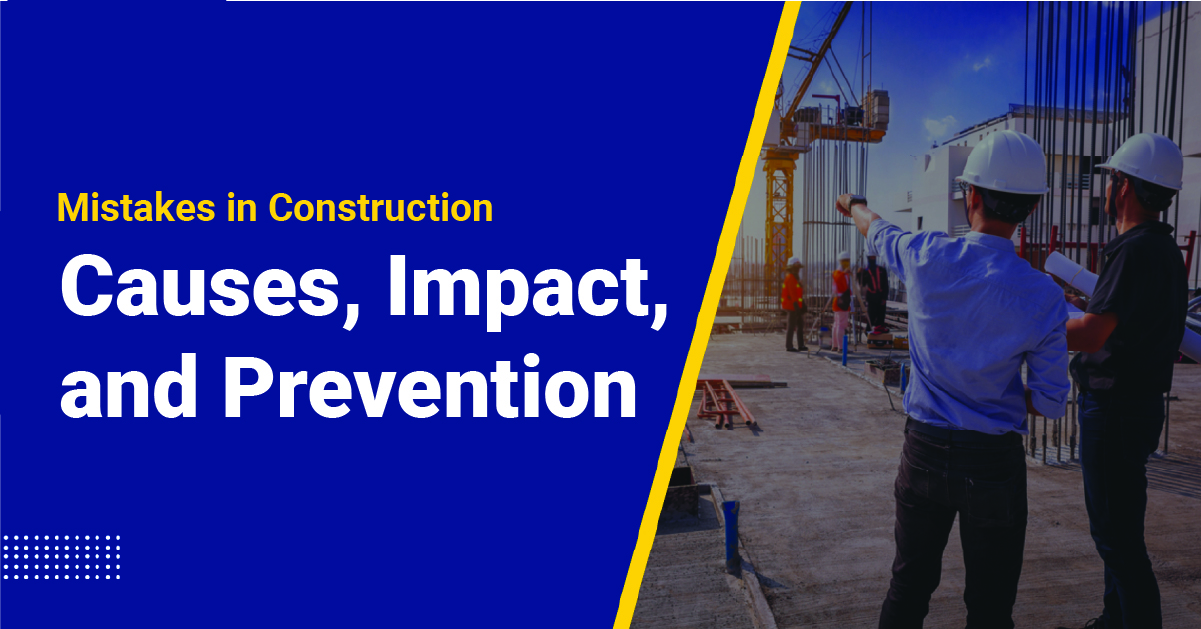
Every home begins with a clear vision, and careful construction turns that vision into a lasting living space. From planning to finishing, each stage needs attention, coordination, and timely decisions. Even small gaps can influence comfort, quality, safety, and long-term maintenance.
That is why understanding mistakes in construction helps homeowners, builders, architects, and project teams make better choices. Many building construction mistakes can be reduced through proper planning, skilled supervision, and clear communication.
When every stage is reviewed with care, the final home becomes more comfortable and dependable. Let’s understand the causes, impact, and prevention methods that support smoother construction outcomes.
Table of Contents
- Why Construction Mistakes Happen During Home Building
- Common Construction Mistakes and Their Impact on a Home
- How to Prevent Mistakes in Construction
- Create a Home That Stands Strong Over Time
Why Construction Mistakes Happen During Home Building
Construction involves drawings, materials, timelines, approvals, labour, and site decisions working together. When these elements are not aligned, mistakes may appear. Most mistakes in construction begin with unclear planning, rushed choices, or missed checks.
-
Incomplete Planning Before Work Begins
A strong construction journey begins with complete planning. A home needs approved drawings, cost estimates, timelines, and material decisions before work begins. Planning also helps every team understand the expected outcome. This creates better coordination between the homeowner, architect, engineer, contractor, and site team.
-
Limited Coordination Between Different Teams
Construction depends on many teams working in the right sequence. Structural, plumbing, electrical, flooring, and finishing teams must follow a clear workflow. When coordination is limited, small adjustments may be needed during later stages. Clear communication helps every team work smoothly with the approved plan.
-
Insufficient Site Review During Execution
Regular site review is important because drawings must be translated correctly on the ground. Even a clear design needs careful execution. A trained site supervisor or relevant professional can check measurements, levels, materials, and workmanship. This helps identify small gaps early and keeps progress organised.
Common Construction Mistakes and Their Impact on a Home
Some common construction mistakes happen during early planning, while others appear during site execution. Knowing them helps homeowners ask better questions and follow progress confidently.
-
Starting Without a Detailed Design Plan
One of the common mistakes in house construction is beginning work with incomplete drawings. A design should cover layout, structure, ventilation, services, and finishing details. A detailed plan also helps reduce frequent changes during construction. It gives the homeowner and project team a shared direction.
-
Changing the Layout Without Technical Review
Small layout changes may seem simple, but they can affect service lines, ventilation, and structural flow. Every change should be reviewed professionally. For example, moving a wall or bathroom point may affect plumbing and electrical planning. Technical guidance keeps these changes practical and suitable.
-
Overlooking Soil Testing and Foundation Planning
Soil testing helps determine the right foundation approach for a site. It gives useful information about soil strength, bearing capacity, and construction suitability. A proper foundation plan supports the home’s long-term performance. This makes early technical assessment an important part of construction planning.
-
Giving Less Attention to Waterproofing and Ventilation
Waterproofing is important in bathrooms, balconies, terraces, and external surfaces. It supports comfort and helps maintain finish quality over time. Ventilation also needs careful planning from the design stage. Windows, light entry, and airflow can improve everyday comfort inside the home.
-
Affecting Timelines, Finish Quality, and Maintenance
Building construction mistakes can influence work progress, finish quality, and long-term maintenance. Rework may be needed when measurements or service placements need correction. Finishing work also needs attention because it shapes the final look of the home. Flooring, painting, doors, windows, and fittings need proper alignment.
This becomes important when evaluating a newly built home. For homebuyers exploring villas in Tiruppur, independent houses, or properties in developing residential areas, paying attention to construction quality can help support informed decisions. Good construction practices contribute to everyday comfort, durability, and long-term value.
How to Prevent Mistakes in Construction
Prevention begins before construction starts and continues until handover. A thoughtful process can reduce common construction mistakes at every stage.
-
Start With a Complete Construction Plan
A strong plan should include design drawings, structural details, budget, approvals, materials, and timelines. This creates clarity for everyone involved. Homeowners should also discuss future needs during planning. Storage, ventilation, parking, electrical points, and room usage should be considered early.
-
Choose Suitable Materials for Each Stage
Materials should suit the design, climate, usage, and expected durability. Cement, steel, bricks, blocks, pipes, wires, and fixtures must be checked carefully. Proper storage is equally important at the site. Materials should be protected from moisture, dust, and handling damage wherever needed.
-
Work With Skilled Professionals
Skilled workmanship improves construction quality. Masonry, concreting, plumbing, electrical work, carpentry, painting, and flooring require trained execution. Experienced professionals understand levels, curing, measurements, slopes, and finishing details. Their expertise helps reduce common mistakes in house construction.
-
Follow Stage-wise Quality Checks
Each construction stage should be reviewed before the next one begins. Foundation, columns, slab work, brickwork, plastering, waterproofing, and finishing need separate checks. These reviews help identify small corrections early. They also keep the construction process more organised and dependable.
Create a Home That Stands Strong Over Time
Understanding mistakes in construction helps every homeowner approach the building journey with greater clarity. Careful planning, quality materials, skilled workmanship, and steady supervision can prevent many avoidable concerns.
Each stage becomes easier when drawings, teams, timelines, and decisions stay aligned. Common construction mistakes are easier to manage when they are identified early and reviewed professionally.
A well-built home reflects thoughtful choices made from the first plan to the final finish. With the right approach, homeowners can create spaces that feel comfortable, practical, and ready for everyday living. Build with care, review each step, and move forward with confidence.