A home’s long-term performance depends on several construction elements that are often hidden from view. While buyers usually evaluate aspects such as location, floor plans, amenities, and finishes, factors like moisture protection also play an important role in maintaining structural quality and everyday comfort.
One such construction feature is DPC; the full form of DPC is Damp Proof Course. It helps prevent moisture from affecting walls and floors. So, if you are wondering what DPC is in building construction, start by understanding its purpose.
Let’s understand the meaning of DPC and why this construction feature plays an important role in creating durable residential spaces.
Table of Contents
- What is DPC in Building Construction and How Does it Work ?
- 5 Key Advantages of Using DPC in Buildings
- Damp Proof Course Materials and How They Prevent Dampness
- Types of DPC Used in Building Construction
- Choose Homes Designed for Long-term Comfort
- FAQs
What is DPC in Building Construction and How Does it Work ?
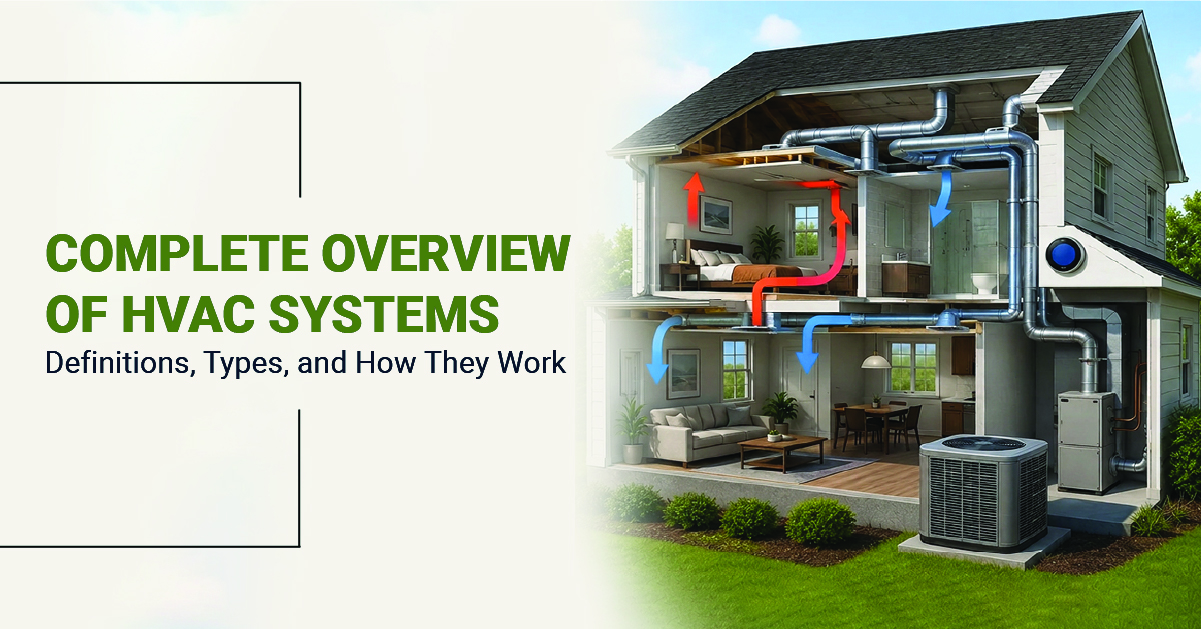
DPC refers to a moisture-resistant barrier installed within a building structure to prevent water from rising through walls, floors, and foundations through capillary action. This protective layer helps maintain the durability and appearance of the property.
DPC is a construction element that uses a specialised layer of waterproof material at specific levels of a building to restrict moisture penetration. It is generally provided near the plinth level and forms a barrier between the ground and the building structure.
In simple terms, DPC works as a shield that prevents ground moisture from travelling upwards into walls. Without effective damp protection, continuous exposure to moisture can affect plaster, wall finishes, and overall building maintenance requirements.
For example, if someone is choosing a villa or a 2 BHK flat in Bangalore, Chennai, Hyderabad, etc., they may assess both the home’s design and underlying construction features.
5 Key Advantages of Using DPC in Buildings
A home is expected to remain comfortable and structurally stable for many years. Moisture protection plays an important role in achieving this objective. The 5 key functions of DPC include:
- Prevents Rising Dampness
Ground moisture can move upwards through porous construction materials. A damp-proof course blocks this movement and reduces the risk of damp walls, salt deposits, and peeling paint. - Improves Structural Durability
Excess moisture can gradually impact construction materials and finishes. By limiting water penetration, DPC supports the longevity of walls and internal spaces. - Reduces Maintenance Requirements
Moisture-related repairs can increase maintenance needs over time. Effective damp protection helps homeowners maintain better indoor conditions with fewer recurring issues. - Supports Better Indoor Comfort
Moisture accumulation may contribute to unpleasant odours and surface damage. Proper construction practices, including moisture control systems, help create healthier living environments. - Providing a Better Building Value
A properly designed DPC system contributes to the overall quality and durability of a property. By reducing moisture-related issues and protecting the building structure over time, effective damp-proofing can help maintain the property’s condition and long-term value.
Damp Proof Course Materials and How They Prevent Dampness
The durability of moisture protection depends heavily on the materials specified by structural engineers:
- Flexible Materials: Bituminous felts, plastic sheeting (polyethene), and elastomeric rubber membranes. These accommodate minor structural settlement without fracturing.
- Semi-rigid Materials: Mastic asphalt laid hot to form a continuous, jointless barrier layer.
- Rigid Materials: High-grade rich cement concrete treated with integral waterproofing compounds, slate, or dense granite slabs laid in cement mortar.
During construction, the DPC layer is installed at appropriate levels between the foundation and walls. This forms a continuous barrier that prevents moisture from moving upwards.
The effectiveness of a DPC system depends on:
- Correct installation during construction
- Suitable waterproof materials
- Proper connection with flooring and wall protection systems
- Adequate drainage around the building
A well-planned moisture management system forms an important part of quality residential construction.
Types of DPC Used in Building Construction
Damp Proof Courses can be classified based on the material used and the level of flexibility required. The most common types of DPC used in building construction include:
- Flexible DPC
Flexible DPCs are made from materials such as bituminous felt, polyethylene sheets, and elastomeric rubber membranes. Their flexibility allows them to accommodate minor movement or settlement within the structure without easily cracking. These materials are commonly used where a continuous moisture barrier is required. - Semi-rigid DPC
Mastic asphalt is a commonly used semi-rigid DPC material. It is applied in a hot form to create a continuous and jointless barrier. Its dense composition provides effective resistance against moisture penetration when properly installed. - Rigid DPC
Rigid DPCs can include dense concrete treated with integral waterproofing compounds, slate, and dense granite slabs. These materials provide a durable barrier against moisture and are selected based on the building design and construction requirements. - Integral DPC
An Integral DPC is formed by adding waterproofing compounds to concrete or mortar during the mixing process. This improves the material’s resistance to moisture and helps provide additional protection against dampness within the structure.
Choose Homes Designed for Long-term Comfort
To make a confident home-buying decision, start by understanding essential construction features such as the DPC and its role in controlling moisture. Evaluate the DPC’s design, materials, continuity, installation, and compliance with project specifications, then assess the home’s location, connectivity, amenities, space planning, and maintenance needs.
Review each project’s construction specifications, amenities, and location advantages carefully before choosing the home that best fits your needs.
FAQs
Can a building survive without DPC?
A building can stand without DPC, but it may be more vulnerable to moisture-related problems, damp walls, and costly repairs.
What are the signs of DPC failure?
Common signs include peeling paint, damp patches, mould growth, musty odours, and white salt deposits on walls.
Is DPC the same as waterproofing?
No. DPC primarily helps control moisture movement, such as rising damp. Waterproofing systems are designed to protect areas exposed to direct or substantial water ingress and may need to withstand water pressure.
How is DPC calculated?
DPC is calculated by measuring the net horizontal area of the walls or plinth over which it is laid, expressed in square metres.
Is DPC required for a plinth beam?
DPC may be provided at or above the plinth level to prevent moisture from rising into the walls. Whether it is required directly over a plinth beam depends on the building design, construction method, and applicable specifications.