The television wall often becomes one of the most visible elements in a living room. It needs to accommodate the screen, organise entertainment equipment, provide storage, and complement the room’s overall design.
The right cabinet can also help manage cables, reduce visual clutter, and make better use of available wall space. Current Indian interior trends include floating consoles, fluted wall panels, marble-style backdrops, warm wood finishes, and combinations of open and closed storage.
Whether you are furnishing a compact apartment or a larger family home, the best design depends on your room dimensions, viewing distance, storage requirements, and preferred aesthetic. Here are seven practical ideas to consider.
Table of Contents
- Create a Minimalist Floating TV Cabinet
- Combine a TV Unit With Full-height Storage
- Use Wood Panels for Warmth and Texture
- Add a Marble or Stone-effect Backdrop
- Choose a Multi-functional TV Unit for Family Homes
- Design Around the Right TV Size and Viewing Distance
- Combine Open Shelves With Concealed Storage
- How to Choose the Right TV Cabinet Design?
- Make Your TV Wall Both Stylish and Practical
Create a Minimalist Floating TV Cabinet
Floating cabinets are among the most versatile TV cabinet designs for living room spaces, particularly where floor area needs to remain visually open.
The cabinet is fixed to the wall rather than resting directly on the floor. This creates a lighter appearance while making cleaning beneath the unit easier. Wall-mounted designs can also incorporate concealed drawers or cabinets for remotes, gaming accessories, routers, and other equipment.
A floating console works particularly well with:
- Neutral wall colours
- Wooden or laminate finishes
- Concealed cable channels
- Under-cabinet lighting
- Minimal open shelving
For smaller living rooms, keeping the cabinet proportionate to the wall can prevent the television area from appearing visually heavy.
Combine a TV Unit With Full-height Storage
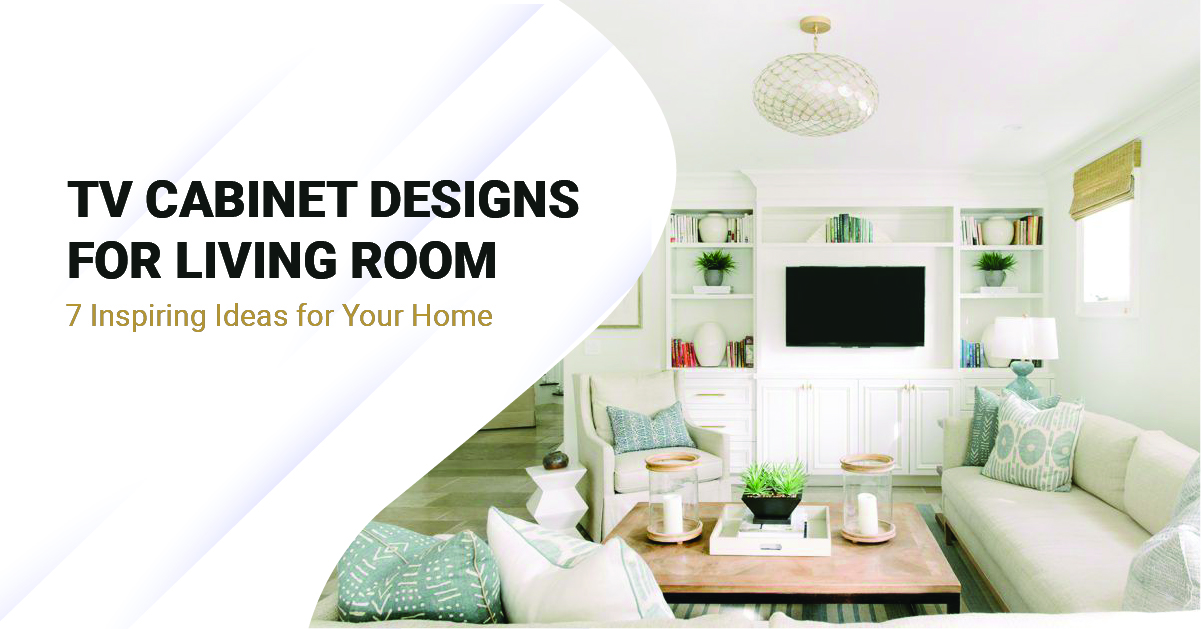
When storage is a priority, consider a floor-to-ceiling cabinet surrounding the television. This approach turns the entire wall into a functional storage zone rather than using it solely for entertainment equipment.
The central television section can remain visually simple, while surrounding cabinets store books, décor, crockery, documents, and household items.
| Storage Type | Suitable Use |
| Closed Cabinets | Electronics and everyday items |
| Open Shelves | Books and décor |
| Drawers | Remotes and smaller accessories |
| Tall Cabinets | Less frequently used belongings |
This approach works particularly well for larger homes where residents need additional storage without adding multiple standalone furniture pieces.
Use Wood Panels for Warmth and Texture
Wood remains a practical choice for homeowners seeking warmth and visual depth. A wooden backdrop can make the television wall feel more integrated with the rest of the living room.
Modern TV cabinet designs for living room interiors often pair warm wood-finish panels with sleek floating cabinets or subtle laminate surfaces. Fluted surfaces can introduce texture without requiring elaborate decoration.
You can also combine wood with:
- Matte-finish cabinetry
- Warm lighting
- Neutral walls
- Stone-effect surfaces
- Open display shelves
The finish should complement existing furniture rather than compete with it. Matching the cabinet with flooring, coffee tables, or other wooden elements can create a more cohesive interior.
Add a Marble or Stone-effect Backdrop
A marble or stone-effect wall can give the television area a more sophisticated appearance. It works particularly well when the rest of the living room follows a contemporary or premium design language.
The TV can be mounted centrally against the backdrop, with a simple console below. Subtle lighting around the panel can highlight its texture without overwhelming the screen.
However, decorative materials should be selected according to the room’s scale. A highly patterned backdrop can dominate a compact living room, while larger rooms can accommodate stronger textures. For a balanced result, pair statement surfaces with simpler cabinets and limited décor.
Choose a Multi-functional TV Unit for Family Homes
A television cabinet does not have to serve only one purpose. A well-planned TV unit design for living room spaces can combine entertainment, storage, display, and workspace requirements.
For example, one side of the unit could include a compact study desk, while the other incorporates shelving. Closed cabinets can conceal everyday clutter, while selected open shelves display books, photographs, or decorative objects.
This format can be particularly useful for families living in larger apartments, including 3 BHK flats for sale in Hyderabad, where different areas may need to support work, entertainment, and family activities.
Similar space requirements can also be seen among families considering larger homes in cities such as Bangalore and Pune, where spacious apartment communities cater to evolving family and lifestyle needs. The key is to divide functions clearly so the television remains the visual centre without making the wall feel overcrowded.
Design Around the Right TV Size and Viewing Distance
A visually attractive cabinet can still feel uncomfortable if the television size and seating arrangement are poorly matched.
Before finalising the design, measure the distance between the primary seating position and the television. One Indian TV manufacturer suggests an approximate viewing-distance range of 1.5 to 2.5 times the screen diagonal, although the ideal distance varies with screen resolution and personal preference.
Consider these factors before installation:
- Television width and height
- Seating distance
- Wall width
- Screen height
- Cabinet depth
- Viewing angle
- Available electrical points
The cabinet should also leave sufficient clearance around the television and provide convenient access to ports, power connections, and connected devices.
Combine Open Shelves With Concealed Storage
A balanced cabinet can combine display areas with closed storage. This approach gives homeowners room to personalise the television wall while keeping everyday items hidden.
Open shelves can hold plants, books, artwork, photographs, or selected décor. Closed cabinets can store cables, remotes, gaming equipment, media accessories, and other items that could otherwise create visual clutter.
This is one of the most adaptable TV cabinet designs for living room interiors because the proportions can be changed according to the room.
How to Choose the Right TV Cabinet Design?
Before selecting a design, consider the following aspects together:
| Factor | What to Check |
| Wall Size | Ensure the cabinet fits comfortably without overcrowding |
| Storage | Decide how much open and closed storage you need |
| Material | Consider durability, maintenance, and overall appearance |
| Cable Management | Plan electrical points and concealed wiring |
| TV Size | Match the cabinet and wall proportions to the screen |
| Lighting | Avoid glare directly on the television screen |
| Lifestyle | Account for children, pets, gaming, work, and entertainment |
The best TV cabinet designs for living room interiors should therefore balance appearance with practical requirements. A cabinet that looks impressive but provides inadequate storage or poor cable management can become inconvenient over time.
Make Your TV Wall Both Stylish and Practical
The television area can influence how the entire living room feels, making its design worth planning carefully. From floating consoles and full-height storage to wooden panels and stone-effect backdrops, there are several ways to create a functional focal point.
Modern TV cabinet designs for living room spaces work best when they respond to the room’s proportions, storage needs, seating arrangement, and overall interior style. Careful planning can also ensure that electrical connections, cables, ventilation, and equipment remain accessible.
A well-designed cabinet should ultimately feel like part of the room rather than an isolated entertainment fixture. By balancing storage, materials, proportions, and personal style, homeowners can create a television area that remains useful and visually appealing for years.