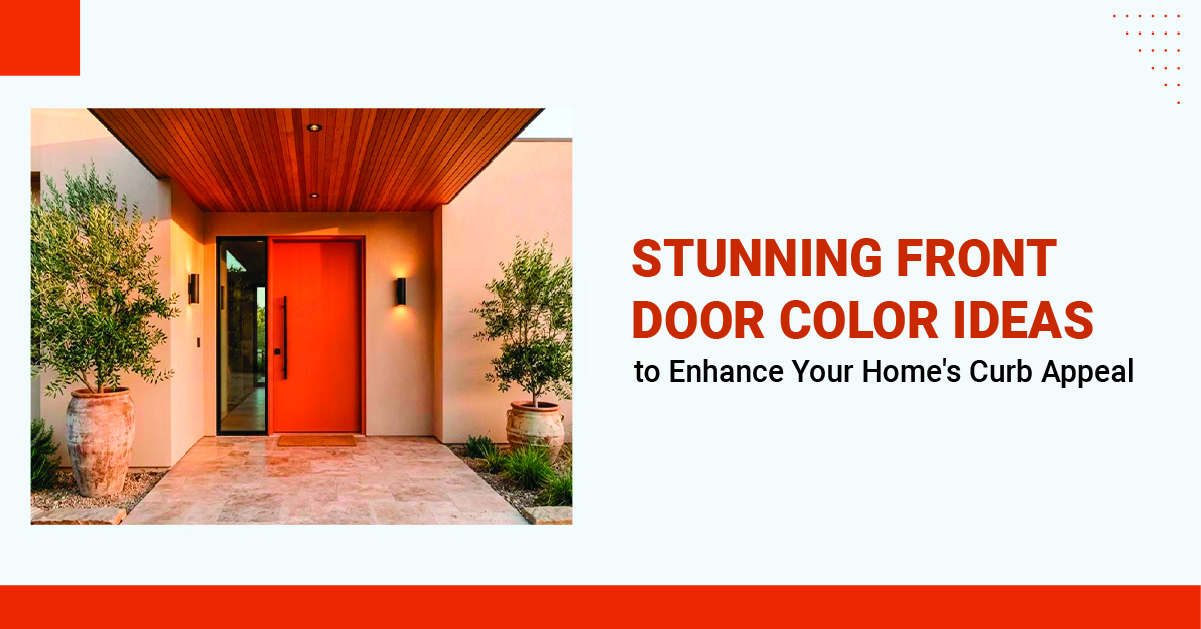
A front door is often the first detail people notice, yet it is one of the easiest exterior features to overlook. The right shade can make an entrance feel warmer, sharper, more elegant, or more distinctive before anyone steps inside.
That is why choosing suitable door paint colours involves more than selecting a favourite option from a colour chart. The surrounding walls, trims, lighting, hardware, and architectural style all influence how a shade finally appears. Even a beautiful colour can feel misplaced when it clashes with the exterior palette.
A thoughtful choice, however, can refresh the entrance and improve the home’s overall curb appeal with one focused update.
Let’s explore what makes a front door colour truly work.
Table of Contents
- What Should You Consider Before Choosing a Front Door Colour?
- How Do Front Door Colour Families Suit Different Exterior Finishes?
- How Can You Finalise the Right Front Door Paint?
- Transform Your Home With the Perfect Front Door Colour
What Should You Consider Before Choosing a Front Door Colour?
Selecting suitable door paint colours requires careful attention to the entrance and the home’s wider exterior design. A shade may look attractive alone but appear disconnected beside existing walls, trims, roofing or outdoor materials. Reviewing these factors first helps create a more coordinated and intentional result.
-
Examine the Exterior Undertones
Exterior surfaces usually contain warm, cool or neutral undertones that influence suitable colour choices. Cream, beige, brick and natural stone often carry warm undertones, while grey, white and metal finishes may appear cooler. The door colour does not need to match these surfaces exactly. However, its undertone should complement the surrounding materials.
-
Account for Permanent Exterior Features
Roofing, window frames, gates, railings, pathways and stone cladding are harder to change than painted surfaces. These permanent features should guide the entrance palette before decorative items are considered. Homeowners should also observe how the door looks from the street, driveway and main approach. This wider view can reveal combinations that appear balanced up close but disconnected from a distance.
-
Study the Entrance Lighting
Lighting can change a colour’s depth, warmth and intensity throughout the day. Direct sunlight may make some shades appear lighter, while covered entrances can make them look deeper. Porch lights can also introduce warm or cool tones after sunset. Testing a painted sample on the actual door provides a more accurate impression than relying on printed colour cards.
-
Consider the Door’s Scale and Placement
The size and position of the entrance influence how strongly a colour appears. A large central door can carry greater visual weight, while a smaller recessed entrance may need clearer definition. Side panels, glass inserts, arches and decorative moulding also affect the visible amount of paint. These details should be considered when judging the overall impact.
-
Relate the Colour to the Home’s Design
A front door should support the property’s architectural character without making the exterior feel overly themed. Architects and builders in Chennai, Bangalore, Pune and Hyderabad often consider local climate, natural light, façade materials and regional design preferences when planning entrance colour palettes.
Clean-lined homes usually suit restrained combinations, while detailed façades can accommodate deeper or more traditional shades. The aim is to create visual continuity between the entrance, building structure and surrounding outdoor elements.
How Do Front Door Colour Families Suit Different Exterior Finishes?
Different colour families influence the entrance’s mood, contrast and connection with surrounding materials. Comparing each shade against the exterior finish can simplify front door colour ideas.
-
Neutral Shades
Black, grey, white, taupe and beige create a timeless, balanced appearance. They suit detailed, textured or colourful façades where a simpler door prevents excessive visual contrast.
-
Blue Tones
Navy creates a formal contrast against white, off-white and light grey walls. Slate blue suits contemporary façades, while teal complements beige, cream and warm exterior finishes.
-
Green Shades
Sage and olive create a natural effect against cream, brick, stone and wood. Forest green adds greater depth and works particularly well with white or light grey exteriors.
-
Warm Colours
Terracotta, rust, deep red and mustard create a welcoming entrance. These shades complement cream, beige, brick and other earthy finishes with naturally warm undertones.
-
Bold Shades
Cobalt, emerald, coral and rich yellow create a strong focal point. They work best with simple white, grey or neutral façades that allow the door to stand out.
The best front door colours should complement an undertone already visible in the walls, brick, stone, cladding or surrounding architectural details.
How Can You Finalise the Right Front Door Paint?
The final choice should balance appearance, durability and the door’s material. A few practical checks can prevent colour mismatches and early paint damage.
-
Test the Shade on the Door
Apply a large sample and view it during morning, afternoon and evening. Natural light can make the same colour appear warmer, cooler or darker.
-
Choose the Right Paint Finish
Satin and semi-gloss finishes are practical because they are easier to clean and resist everyday marks. High-gloss paint creates stronger impact but highlights surface imperfections.
-
Match the Paint to the Door Material
Wooden, metal and fibreglass doors require different primers and preparation methods. Using the correct products improves adhesion and creates a smoother, longer-lasting finish.
-
Consider Weather Exposure
Direct sunlight, rain, humidity and dust can affect colour intensity and paint life. Exterior-grade products provide better protection for exposed entrances.
-
Coordinate the Hardware
Handles, locks, nameplates and lighting should complement the selected shade. This final detail can help determine the best paint colour for front door designs.
Transform Your Home With the Perfect Front Door Colour
The right front door shade can bring clarity, personality and balance to the entire exterior. Rather than following trends alone, compare the colour with surrounding walls, fixed materials and changing daylight.
Sample testing, suitable preparation and an exterior-grade finish can also improve the final appearance and durability. The best front door colours are those that feel connected to the home while giving the entrance its own identity. A thoughtful choice can make even a simple doorway look polished, welcoming and complete.