Imagine walking into a home that instantly makes you feel at peace, where the air feels lighter, the rooms brighter, and the overall atmosphere deeply comforting. In ancient Indian architecture, this is the result of aligning a living space with the natural laws of the universe. This architectural philosophy is known as Vastu Shastra. It is all about harmonising your living environment with the five core elements of nature: Earth, Water, Fire, Air, and Space.
Let’s dive into a simple, practical guide to creating the best house plan according to Vastu Shastra.
Table of Contents
- The Core Principles of Spatial Energy
- Designing Your Layout: A Room-by-Room Journey
- Simple Habits for Balanced Living
- Design a Home That Supports Everyday Well-Being
The Core Principles of Spatial Energy
Vastu Shastra treats a house as a living organism that maps the flow of cosmic energy, or Prana. Because each direction is governed by a specific natural element and a traditional deity, certain zones of a house are naturally ideal for specific daily activities.
Before looking at individual rooms, it helps to understand the ideal orientation of the best Vastu house plan. Generally, East, North, and North-East facing plots are considered highly auspicious because they allow an abundance of morning sunlight and fresh air to fill the premises.
Whether you are building independently or buying a pre-designed layout from a professional real estate developer, any home can be optimised for positive energy by focusing on clever internal layouts and mindful zoning.
Designing Your Layout: A Room-by-Room Journey
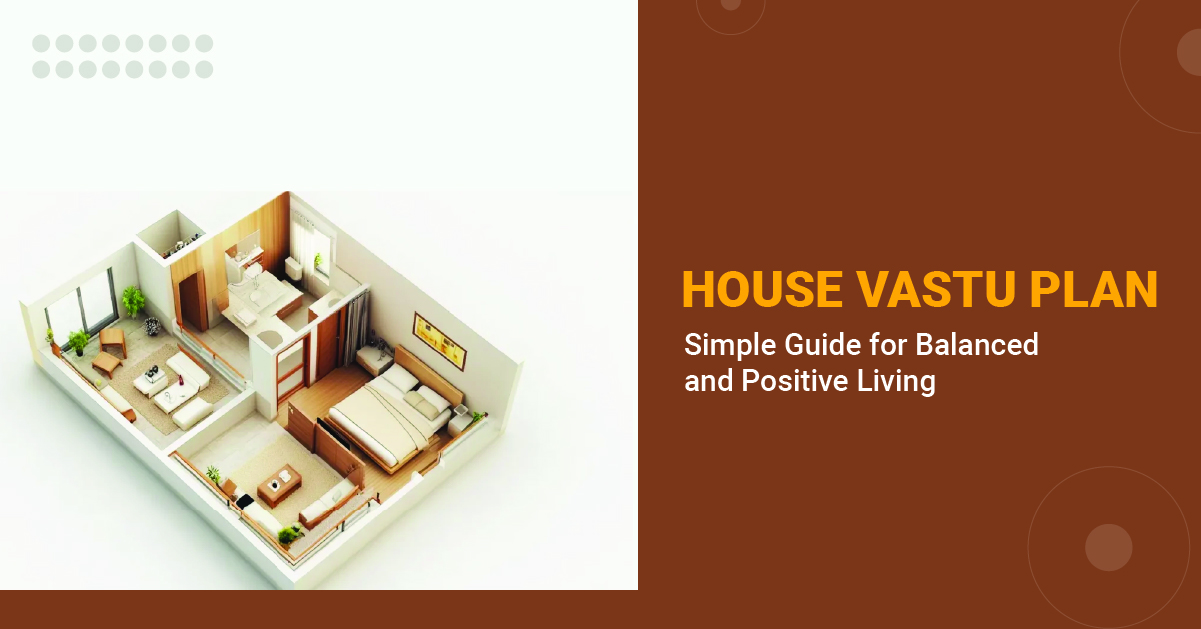
Achieving a balanced layout does not mean you need a complicated architectural blueprint. By integrating these foundational guidelines, you can ensure that your home design plans, as per Vastu Shastra, promote maximum daily harmony.
- Main Entrance: Your Gateway for Energy
The main door is arguably the most critical component of any home design, as per Vastu, because it acts as the primary gateway through which energy enters your living space. To invite opportunities and prosperity, this door should ideally be positioned in the North, East, or North-East corners of the property.
To keep this energy pure, ensure the area is impeccably clean, well-lit, and completely clutter-free. It is best to avoid placing dustbins, broken items, or messy shoe racks directly outside the main door, as these can block or pollute incoming cosmic currents.
- Living Room: Cultivating Social Harmony
As the central hub where family members gather and guests are entertained, the living room sets the social tone for the entire household. This space functions best when located in the North, East, or North-West zones of the house.
When arranging the room, place heavy furniture like sofas, bookshelves, and entertainment units against the Southern or Western walls to anchor the room’s energy. If you have electronic items, positioning them in the South-East corner helps align them with the fiery energies that govern technology.
- Kitchen: Fueling the Fire Element
The kitchen represents the fire element (Agni), which directly governs the health, metabolism, and daily sustenance of your family. Because of this, the absolute best location for a kitchen is the South-East corner, with the North-West serving as a dependable alternative.
A simple layout trick here is to position your cooking counter so that the cook faces East while preparing meals. Additionally, because fire and water are opposing forces, try to keep the cooking stove and the kitchen sink a reasonable distance apart from one another to prevent conflicting energies.
- Main Bedroom: Rest and Rejuvenation
The main bedroom should be a true sanctuary for relaxation, stability, and deep, restful sleep. The South-West corner of the house is dedicated to the Earth element, providing the perfect grounding energy needed for this space.
When placing your bed, ensure your head points towards the South when sleeping, which beautifully aligns your body with the Earth’s natural magnetic field. To maintain a peaceful subconscious state, avoid hanging mirrors directly opposite the bed where they can reflect your sleeping form.
- Pooja Room: Your Spiritual Anchor
Even a small spiritual corner or altar can act as a powerful anchor for peace and mental clarity within a bustling household. The North-East corner, traditionally called the Eesanya corner, is ruled by the water element and spiritual energies, making it the supreme choice for a prayer area.
Keep this zone minimal, serene, and decorated with light, calming colours like white, cream, or light yellow. Facing East or North while praying or meditating within this space is considered highly beneficial for focus.
Simple Habits for Balanced Living
If you are looking to refine your best Vastu house plan without making major structural changes, focusing on these general, everyday practices will make a massive difference to the atmosphere:
- Clear the Clutter: Stagnant clutter acts as a literal barrier to energy flow. Discard broken appliances, stopped clocks, and cracked mirrors immediately to keep energy moving freely.
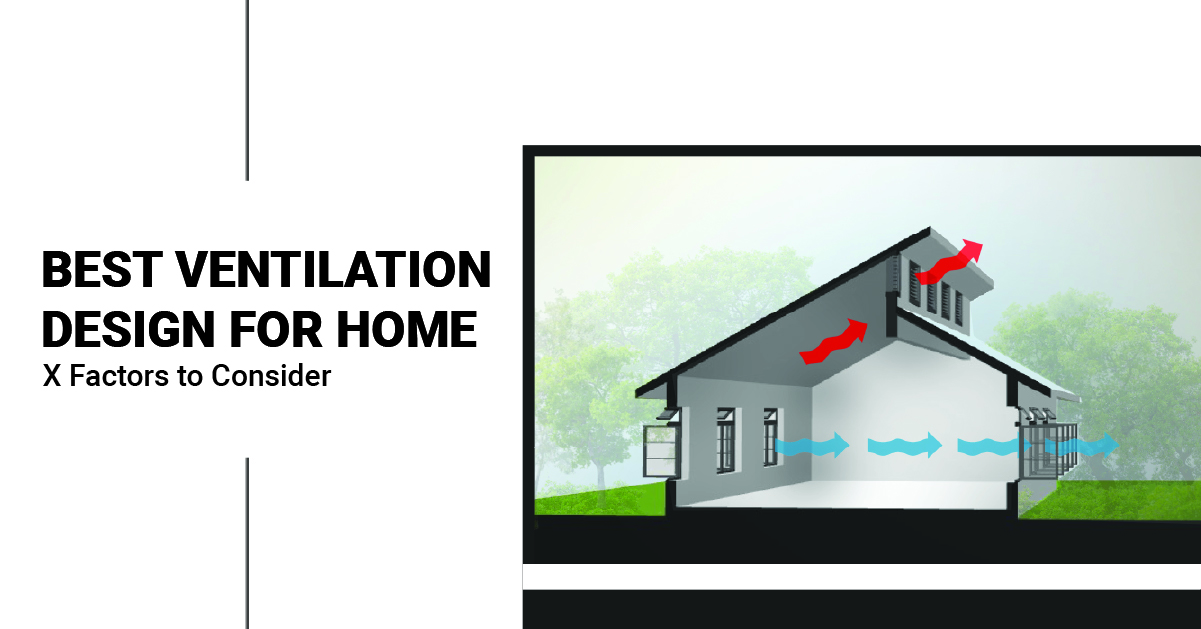
- Embrace the Sunshine: Open windows in the morning to allow fresh air and sunlight to purify the indoor air.
- Bring Nature Indoors: Plants like Money Plants, Holy Basil (Tulsi), and Peace Lilies bring vibrant life energy into a home. Place them in the North or East zones for the best results, but keep thorny plants like cacti outside the living areas.
Design a Home That Supports Everyday Well-Being
Following the best house plan according to Vastu Shastra is about creating a home that feels balanced, comfortable, and practical for everyday living. Thoughtful planning of room placement, natural light, and ventilation can help bring greater harmony to your living space while complementing modern home design.
If you are planning to buy or build a home, consider projects that incorporate well-planned layouts inspired by Vastu principles. Explore Casagrand’s thoughtfully designed homes to find spaces that combine contemporary architecture with functional planning for a comfortable and positive lifestyle.