Walls can change the personality of a room without changing its layout. The right surface treatment can make a plain wall feel warmer, create a focal point, or add architectural character to an otherwise simple interior.
That is where wall panelling can make a difference. From clean modern finishes to textured surfaces and classic detailing, the material and pattern you choose can influence the mood of the entire space.
The interesting part is that there is no single formula for getting the look right. Let us explore the different types of wall panelling and creative ways to use them across contemporary homes.
Table of Contents
- Types of Wall Panelling
- Creative Wall Panelling Design Ideas
- Making Wall Panelling Work With Your Home
- Create a Distinctive Interior With Wall Panelling
- FAQs
Types of Wall Panelling
The material you choose affects the appearance, maintenance, durability, and suitability of a panelled wall. These options offer different finishes for different rooms and interior preferences.
- MDF Wall Panels
Medium-density fibreboard (MDF) panels offer considerable flexibility when you want a customised look. Their smooth surface works well with paint, grooves, mouldings, and detailed patterns.This makes MDF suitable for interiors where the design needs to complement existing furniture and décor. It can create anything from classic wall mouldings to contemporary geometric arrangements without making the wall feel overly heavy. - Laminate Wall Panels
Laminate panels offer a practical choice for homes where walls experience regular contact and daily wear. Their surfaces can handle scratches and stains reasonably well while remaining relatively easy to clean.Available in numerous colours, textures, and finishes, laminate can also be coordinated with furniture, flooring, or cabinetry. This makes it useful for spaces that need decorative appeal without demanding extensive upkeep. - Natural Wood Wall Panels
Natural wood brings warmth, depth, and texture to an interior. Its organic appearance can make a room feel more inviting while giving the wall a refined character.Wood works particularly well in living rooms and bedrooms where a warmer atmosphere is desirable. However, it requires appropriate care and maintenance to preserve its appearance over time. - Upholstered Wall Panels
Upholstered panels introduce softness through fabric, cushioning, and texture. They can make a room feel more comfortable and relaxed, particularly when used behind a bed.The material can also help absorb some sound, making it useful in bedrooms and other spaces where a quieter atmosphere is preferred. Different fabrics and colours can further customise the overall appearance. - Mirror Wall Panels
Mirror panels can visually expand a room by reflecting light and surrounding elements. They are particularly useful in smaller spaces where a decorative treatment should not make the room feel enclosed.A carefully positioned mirror panel can also introduce a subtle sense of luxury. Using it selectively rather than covering an entire wall can keep the effect balanced. - Cement Wall Panels
Cement panels bring a raw, understated character to interiors. Their strong visual texture can complement minimalist and industrial-inspired spaces.They are also durable and relatively low maintenance, making them suitable for homeowners who prefer a simple finish with a stronger material presence. Pairing cement tones with wood or warm lighting can soften the overall appearance. - WPC Wall Panels
Wood-plastic composite (WPC) panels combine wood-based material with plastic, giving them durability and resistance to moisture. This can make them suitable for interiors where humidity is a consideration.Modular wall panels made from WPC can offer flexibility when creating different textures, patterns, and arrangements. WPC panels are available in different textures and patterns, allowing homeowners to experiment with decorative treatments while keeping maintenance relatively simple.
Creative Wall Panelling Design Ideas
Once the material is selected, the pattern and arrangement can give the wall its individual character. These ideas can be adapted according to room size, furniture, lighting, and the overall interior theme.
- Shiplap for a Relaxed, Contemporary Look
Shiplap uses horizontal boards with visible lines between them to create a simple layered effect. It can add texture without overwhelming the room and works well with both contemporary and relaxed interiors.The horizontal arrangement can also draw the eye across the wall, making it useful behind sofas, beds, or dining areas. - Tongue-and-Groove Panels for Subtle Texture
Tongue-and-groove panelling uses interlocking boards to create consistent vertical or horizontal lines. The clean repetition gives the wall structure while retaining a relatively understated appearance.Vertical installation can draw attention upwards, which may work particularly well in rooms with lower ceilings. A muted finish can keep the treatment elegant rather than decorative. - 3D Textured Panels for a Statement Wall
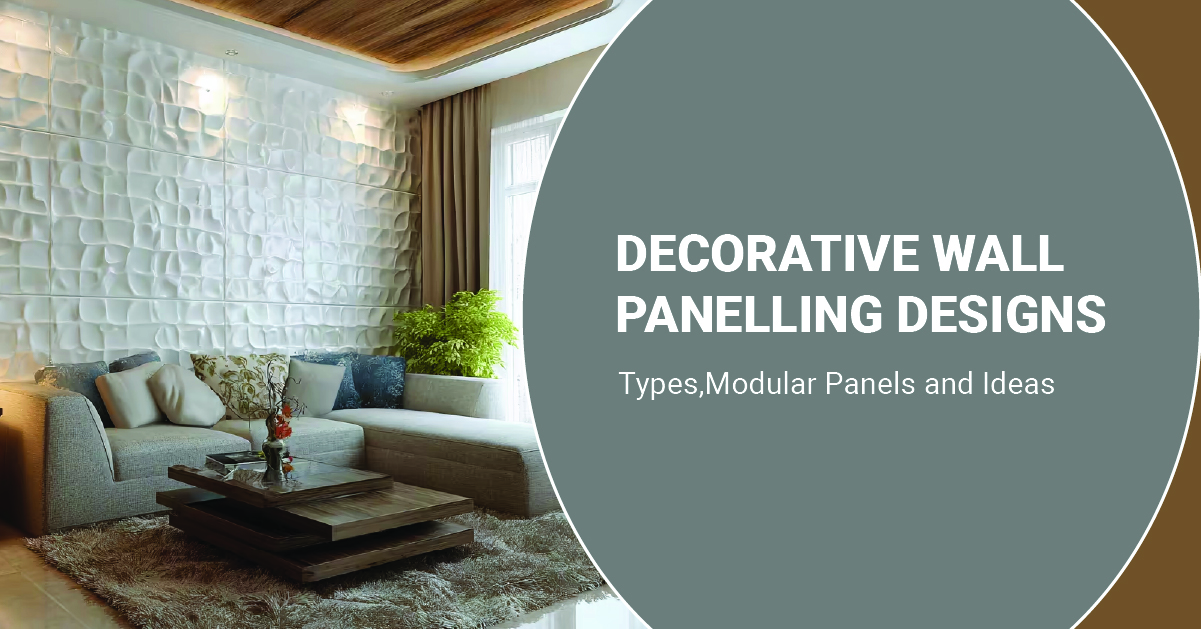
Three-dimensional panels use raised patterns to create depth and shadow across a surface. They can turn an otherwise plain wall into a strong visual feature.These panels work best when used selectively. A single feature wall behind a television, sofa, or bed can create enough impact without competing with the rest of the room. - Geometric Pattern Panels for a Modern Interior
Geometric patterns can introduce rhythm through repeated shapes, lines, or angles. They can be created using MDF, WPC, or other suitable materials depending on the desired finish.For a balanced look, choose a pattern that complements the furniture rather than competing with it. Neutral tones can also allow the geometry to remain the main visual feature. - Shaker-style Panels for Classic Detailing
Shaker-style panelling uses simple rectangular frames to create a structured, timeless appearance. It can add architectural detail while keeping the overall design relatively clean.The style can work across bedrooms, living rooms, hallways, and dining areas. Painting the panels in the same colour as the wall can create subtle depth, while contrasting shades can make the detailing more prominent.
Making Wall Panelling Work With Your Home
The best wall panelling design is one that complements the room rather than dominating it. Consider the size of the wall, natural light, existing furniture, maintenance requirements, and the visual effect you want before selecting a material or pattern.
For larger homes, including gated community villas in Hyderabad, Bangalore, or other metropolitan cities, homeowners may have more flexibility to create different treatments across living areas, bedrooms, dining spaces, and entertainment zones. Similar planning can work across residential homes in cities such as Bengaluru, Chennai, and Coimbatore, where interior preferences can vary significantly between households.
The same principle applies across different configurations, from compact apartments to larger 2 BHK, 3 BHK, and villa layouts. A thoughtful type of wall panelling can help define individual spaces while keeping the overall interior visually connected.
Create a Distinctive Interior With Wall Panelling
A wall does not need elaborate decoration to become memorable. Sometimes, a carefully chosen texture, a repeated line, or a simple frame can give a room the character it was missing.
The beauty of wall panelling lies in its adaptability. It can feel warm, minimal, classic, contemporary, or dramatic depending on the material and treatment. The right design should work with the room rather than compete with it.
As homes continue to reflect individual tastes and changing lifestyles, decorative details can make familiar spaces feel more personal. A considered panelled wall can become one of those details, adding depth and identity while allowing the rest of the interior to speak for itself.
FAQs
What are the latest trends in wall panelling?
Current wall panelling trends include fluted panels, natural wood finishes, geometric patterns, textured surfaces, and minimalist designs. Full-height panels, warm neutral tones, and accent walls are also popular for adding depth and visual interest without changing a room’s basic layout.
Which material is best for panelling?
The best panelling material depends on the room, design, and maintenance needs. MDF works well for painted decorative panels, wood offers a natural appearance, PVC suits moisture-prone spaces, and WPC provides durability with relatively low maintenance.
Can I have two types of panelling in a room?
Yes, you can combine two types of panelling in the same room. Pairing materials, patterns, or finishes can create visual contrast. Keep the colour palette and design language consistent so the different panels complement each other rather than making the room feel visually busy.
What is the cheapest type of wall panelling?
PVC wall panels are generally among the more economical panelling options. They are lightweight, moisture-resistant, and relatively easy to install. However, the overall cost depends on the panel quality, design, surface preparation, installation method, and size of the area being covered.
How long does wall panelling last?
Wall panelling can last anywhere from several years to decades, depending on the material, installation quality, room conditions, and maintenance. Wood and well-maintained MDF panels can have long service lives, while moisture-resistant materials such as PVC and WPC are suitable for demanding environments.