
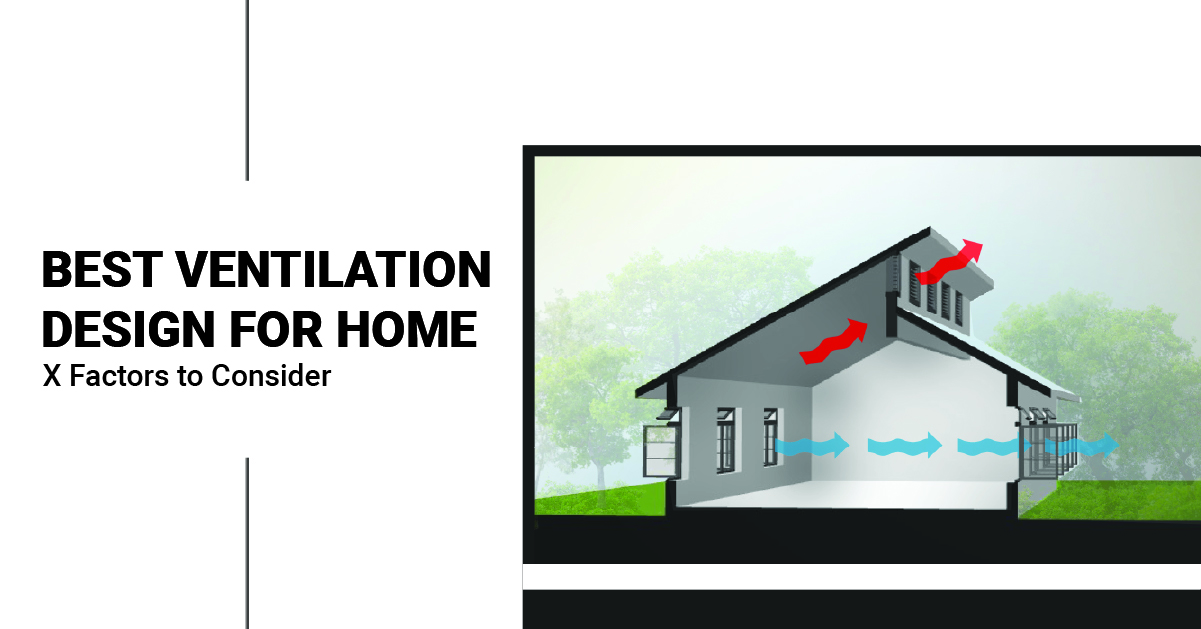
A well-ventilated home creates a healthier and more comfortable living environment by allowing fresh air to circulate while removing excess heat, moisture, and indoor pollutants. Good ventilation also supports energy efficiency by reducing the need for constant cooling and improving indoor comfort throughout the year. Planning ventilation during the design stage helps ensure every room benefits from proper airflow and remains pleasant to live in.
Selecting the best ventilation design for a home involves much more than placing a few windows or installing exhaust fans. It requires careful planning that considers your home’s layout, local climate, and everyday lifestyle.
Let’s discover seven smart design choices that can help create a healthier, brighter, and more comfortable home for years to come.
Table of Contents
- 7 Smart Design Choices for Better Home Ventilation
- Future-proof Your Home with the Right Ventilation Design
7 Smart Design Choices for Better Home Ventilation
Designing an effective ventilation system goes beyond simply installing windows or exhaust fans. The following design considerations can help maximise airflow, improve indoor comfort, and create a healthier living environment throughout every season.
- Open-plan Airflow Design An open-plan layout encourages air to move freely throughout the house without unnecessary barriers. By reducing enclosed spaces and connecting common areas, fresh air can circulate more effectively. This approach creates a breezy indoor environment while making rooms feel brighter and more spacious.
- Clerestory Windows Clerestory windows are narrow windows installed high on walls, usually above eye level. They allow warm air to escape while bringing in natural daylight without compromising privacy. As a window ventilation design for a home, they help maintain a cooler indoor environment while improving natural lighting.
- Air Bricks and Wall Vents Air bricks and discreet wall vents provide a constant flow of fresh air into enclosed spaces. They reduce moisture build-up, improve indoor air quality, and help prevent dampness. These ventilation features are commonly used in basements, utility rooms, and areas that receive limited natural airflow.
- Double-Height Living Spaces A double-height living room naturally supports better air circulation by allowing warm air to rise above the occupied space. When paired with strategically placed windows or vents, it creates a chimney effect that improves ventilation while giving the home a bright and open feel.
- Operable Window Combinations Using different types of windows together, such as casement, awning, or sliding windows, creates multiple paths for airflow. Opening windows at different heights encourages fresh air to enter while pushing stale air outside. This flexible arrangement is a modern ventilation design for the home that adapts well to changing weather conditions.
- Balcony Ventilation Design
A well-designed balcony can do much more than provide an outdoor seating area. When connected to large windows or sliding doors, it becomes an effective source of natural ventilation. Opening the balcony doors allows fresh air to flow into the home while pushing warm, stale air outside.
This creates a pleasant indoor environment, especially during cooler mornings and evenings. A balcony also increases the amount of natural daylight entering the home, making rooms feel brighter and more welcoming. Positioning furniture and plants carefully ensures that airflow remains unobstructed.
Homes with balconies facing gardens or open spaces often enjoy better air circulation than those surrounded by neighbouring buildings. Choosing large aluminium sliding doors further enhances the connection between indoor and outdoor spaces, allowing wider openings for improved airflow.
- Shaded Ventilation Features
Shading elements around windows are an effective way to improve natural ventilation while reducing indoor heat. Features such as pergolas, roof overhangs, vertical fins, and external screens block harsh sunlight before it reaches the windows.
This keeps indoor spaces cooler and allows windows to remain open for longer periods without making the room uncomfortably warm. With less heat entering the home, fresh air can circulate more efficiently, creating a naturally comfortable environment throughout the day. Shaded windows also reduce glare and help protect furniture and flooring from prolonged sun exposure.
Combining these features with well-positioned windows creates a balanced airflow while maintaining indoor comfort across different seasons. Homeowners can choose materials and designs that complement the overall architecture without compromising ventilation.
If you invest in an apartment for sale in Sholinganallur, East Tambaram, or any other parts of Chennai, paying attention to the home’s ventilation design is important.
Future-proof Your Home with the Right Ventilation Design
A thoughtfully planned ventilation system contributes to a healthier indoor environment, greater comfort, improved energy efficiency, and better moisture control throughout the home.
Considering airflow, room layout, natural ventilation, mechanical systems, indoor air quality, and future maintenance during the planning stage helps create living spaces that remain pleasant across every season. Small design decisions made early can deliver lasting value while reducing future maintenance concerns.
If you are preparing to purchase or design your next home, make ventilation one of your top priorities. Consulting experienced professionals and assessing every ventilation feature carefully will help you create a home that offers cleaner air, enhanced comfort, and long-term peace of mind for your family.