Ongoing
Projects
Projects
Ready to
Occupy
Occupy
Completed
Projects
Projects
Pre-Launch Projects
Future Projects




Buying a home is a major decision, and choosing the right type of property plays a big role in shaping that experience. Ready-to-move homes have gained strong preference among buyers who value clarity, convenience, and immediate usability.
Buyers can evaluate every detail, from construction quality to surroundings, before committing. For those looking to avoid delays and step into a finished home, ready-to-move properties offer a practical and reliable option.
A ready-to-move property is a fully constructed home that is available for immediate possession. There is no waiting period, and buyers can inspect the unit before making a purchase decision. Unlike under-construction properties, these homes have already received the necessary approvals, including completion and occupancy certificates.
This type of property gives buyers complete clarity about what they are investing in. From layout and design to surroundings and amenities, everything is visible and ready for use. It is a preferred option for homebuyers who value certainty and want to avoid delays.
Buying a ready-to-move home offers multiple practical advantages, making the process smoother and more predictable.
Before finalising a ready-to-move apartment, it is important to evaluate a few key factors that ensure the property is legally secure, financially viable, and suitable for long-term living:
Verifying legal documents is one of the most important steps in the buying process. Buyers should ensure the property has a clear title and is free of disputes. Key documents include the completion certificate, occupancy certificate, and approved building plan.
It is also important to ensure that the land on which the property is built has the necessary approvals. This step helps avoid future legal complications and ensures a secure investment.
The builder’s reputation directly affects the property’s quality. Buyers should research the developer’s past projects, delivery timelines, and customer feedback.
A reliable builder is more likely to maintain construction standards and provide proper documentation. This provides added reassurance to buyers, particularly when making a long-term investment decision.3. Location and Connectivity
Location plays a key role in both daily convenience and long-term value. Buyers should consider proximity to workplaces, schools, hospitals, and essential services.
Good road and public transport connectivity improve accessibility and reduce travel time. Additionally, areas with planned infrastructure development often appreciate more over time.
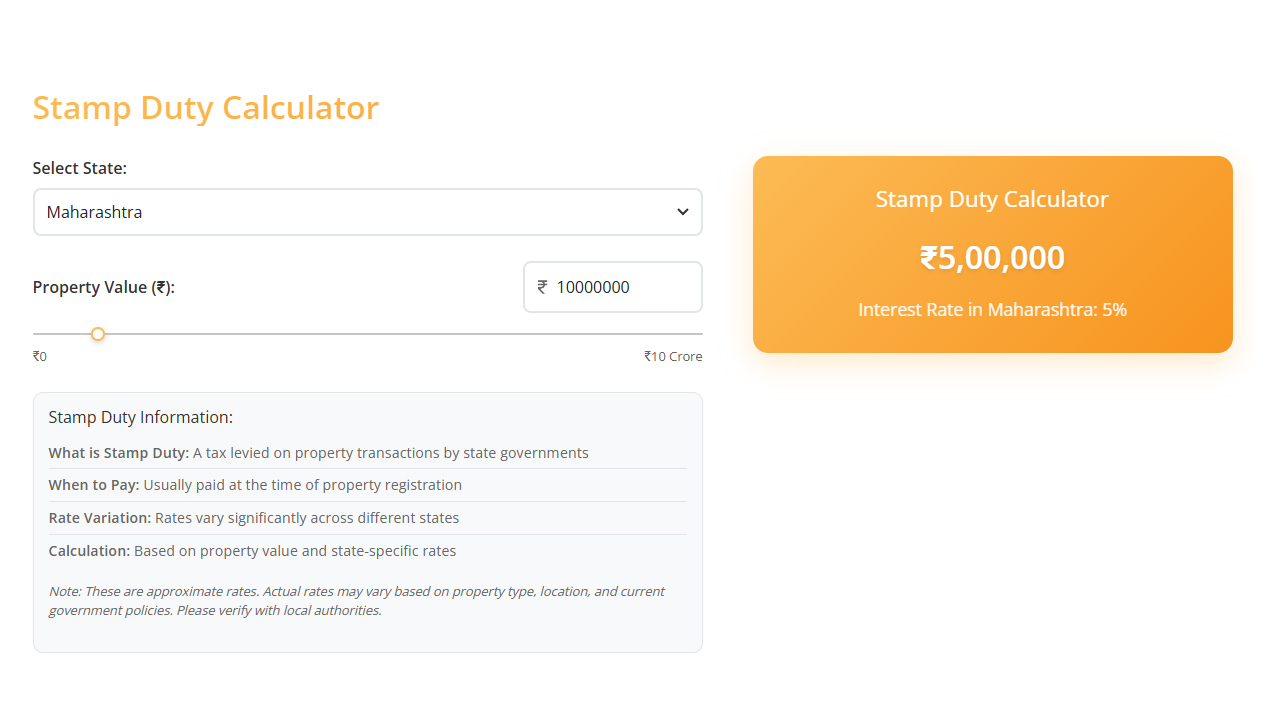
Understanding the total cost of ownership is important before finalising a purchase. Buyers should look beyond the base price and check for additional costs such as:
Having a clear idea of these expenses helps avoid unexpected costs later.
As the property is already constructed, buyers have the advantage of assessing its quality firsthand. It is important to assess:
A well-designed home ensures long-term comfort and durability.
Amenities play an important role in enhancing the quality of life. Buyers should check for facilities such as security systems, lifts, parking, landscaped areas, and recreational spaces.
At the same time, it is wise to evaluate the location’s future potential. Properties in developing areas with strong infrastructure plans often offer better returns over time.
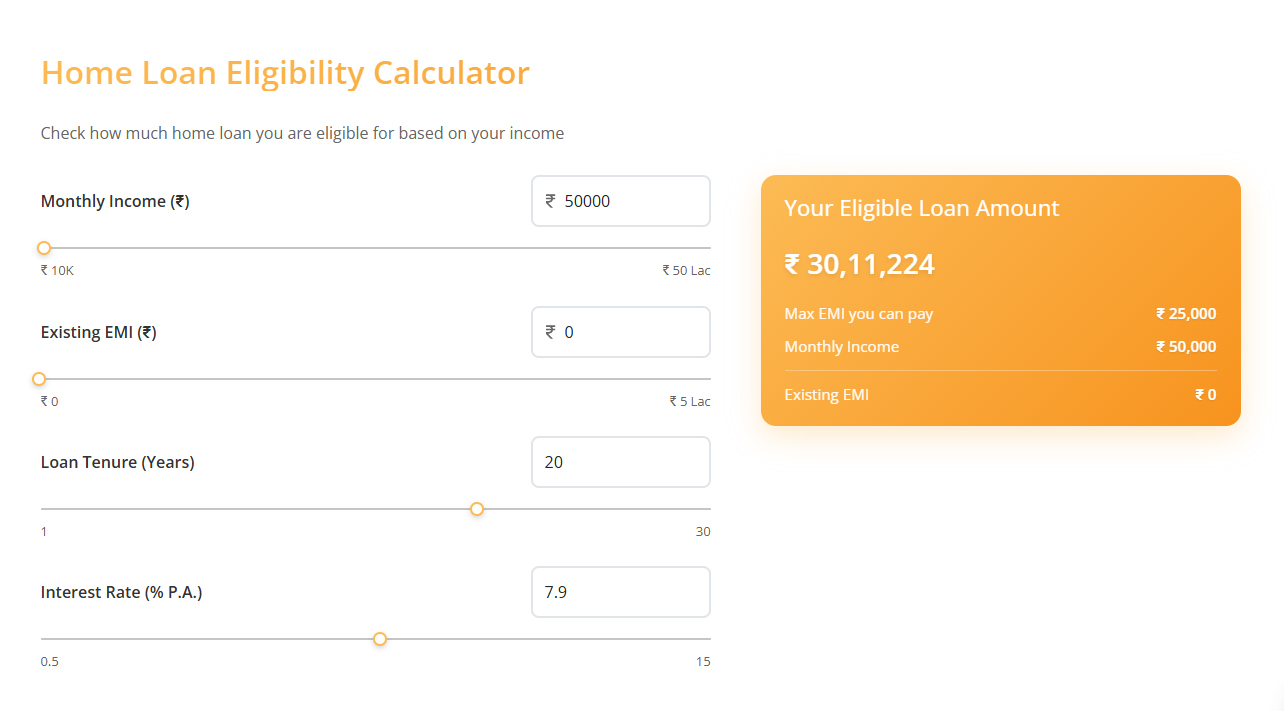
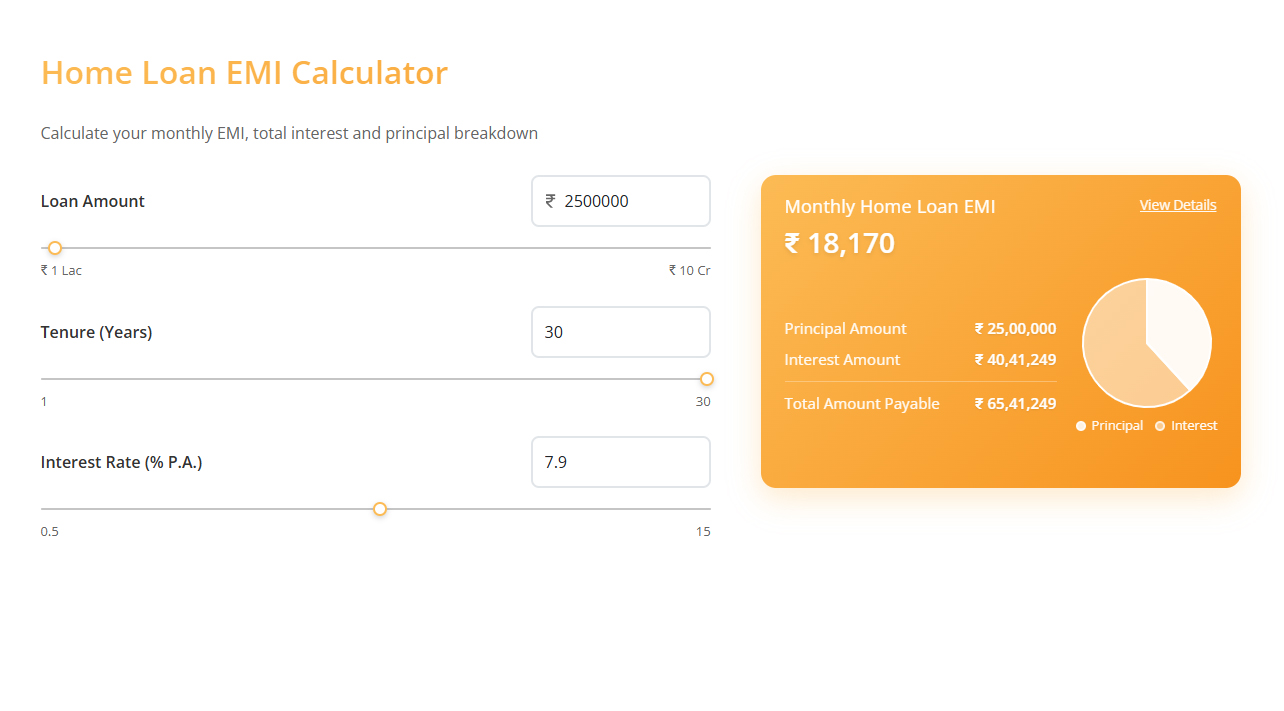
Planning finances makes the buying process smoother. Buyers should check their loan eligibility, interest rates, and repayment capacity before finalising a property purchase.
Since ready-to-move homes are less risky for lenders, loan approvals are usually quicker. Proper financial planning ensures that buyers can manage EMIs comfortably without stress.
Both ready-to-move and under-construction properties have their own advantages, and the right choice depends on a buyer’s priorities and financial situation. Ready-to-move homes offer immediate possession, with no waiting period. Buyers also benefit from zero construction risk, complete clarity on the final product, and no GST liability if the completion certificate has been issued.
Alternatively, under-construction properties offer lower starting prices in some cases, along with flexible payment options that help ease the financial commitment over time. They also offer the possibility of price appreciation during the construction phase.
For buyers who value certainty, convenience, and immediate usability, ready-to-move homes are often a more suitable choice. However, those who are comfortable waiting and planning for the long term may consider under-construction properties for potential financial advantages.
Buyers should verify key documents, including the title deed, completion certificate, occupancy certificate, approved building plan, and property tax receipts. These documents confirm that the property meets all legal requirements and is ready for possession.
Yes, home loans are easily available for ready-to-move properties. Since construction is complete and the risk is lower, banks and financial institutions often process these loans faster than for under-construction properties.
GST is not applicable to ready-to-move flats if the completion certificate has been issued. This makes them more cost-effective compared to under-construction properties, where GST is usually included in the purchase price.
Yes, once all formalities, including payment and registration, are completed, buyers can move into the property immediately. This makes ready-to-move homes a practical choice for those looking for quick possession.
Buyers can request a no-dues certificate from the builder and verify details with local authorities. Checking utility bills and maintenance records also helps ensure there are no outstanding payments associated with the property.


Chennai
99629 44444
Coimbatore
72993 70000
Bangalore
98848 00062
Delhi
97900 13840
Hyderabad
73581 35136
Pune
82200 34547
Dubai
44205777
NRI
91763 44444