Ongoing
Projects
Projects
Ready to
Occupy
Occupy
Completed
Projects
Projects
Pre-Launch Projects
Future Projects








Buying real estate is one of the most significant financial milestones in life. However, navigating the legalities around property registry documents in India can feel incredibly overwhelming. Missing a single file can delay your ownership or expose you to severe financial risks down the road.
This comprehensive legal document checklist will help you streamline the paperwork, ensuring a smooth, secure, and legally binding transaction.
In India, property ownership transfers are governed under the Registration Act of 1908. Without proper execution, the transaction holds no valid legal weight in a court of law. Gathering the right documents required for property registration is crucial for several key reasons:
Whether you are looking for land registration documents or trying to finalise an apartment purchase, certain core documents form the foundation of your verification file.
The Sale Deed is the core document that establishes the final sale and transfer of ownership from the seller to the buyer. It is drafted on non-judicial stamp paper and must be registered at the local Sub-Registrar’s office to make the purchase official.
Before buying, you must track the history of the property ownership. The Title Deed (often including previous “Mother Deeds”) proves that the current seller actually holds the legal right to sell the property. When checking documents required for buying property, always ensure there is an unbroken chain of titles going back at least 30 years.
The Encumbrance Certificate (EC) acts as a background check for the property. It proves that the asset is completely free from any active monetary liabilities, such as unpaid mortgages or legal disputes. You should ideally fetch an EC for the last 15 to 30 years from the Sub-Registrar’s office.
Known by different names across India (like Khata in Karnataka, 7/12 Extract in Maharashtra, or Patta in Tamil Nadu), this document registers the property in the local municipal records. It identifies the person primarily responsible for paying property taxes and is a core component of your documents for property registration.
Always request the last 3 to 5 years of property tax receipts from the seller. It acts as additional proof that local authorities recognise the property and that no outstanding utility or municipal dues are looming over the estate.
Issued by the local civic body, the Occupancy Certificate states that the building has been constructed according to the approved architectural plans and is safe for human habitation. Buying a unit without an OC is risky, as municipal bodies can legally cut off water and electricity or deem the structure unauthorised.
If you are expanding your list of documents needed to buy a house or dealing with complex developer/third-party transactions, keep these additional records handy:
If the actual property owner cannot be physically present for the registration, they can authorise someone else via a Power of Attorney (PoA). Ensure that the PoA is legally registered and clearly grants the power to sell or transfer real estate.
This is the preliminary document signed by both parties before the final sale deed. It outlines the terms, conditions, payment timelines, and total cost of the transaction. It safeguards your interests between the token advance payment and final execution.
If you are buying a flat or villa inside a gated township, a No Objection Certificate (NOC) from the apartment owners’ association or builder is crucial. This document confirms the seller has no pending maintenance dues and that the society has no objection to welcoming you as a new member.
If the property has multiple inherited co-owners, ensure the seller provides a legal document giving up property rights (known as a Relinquishment Deed or Release Deed) from the other heirs. This guarantees that no other family member can claim ownership later.
To make sure your paperwork aligns perfectly with regional laws, follow this typical operational sequence:
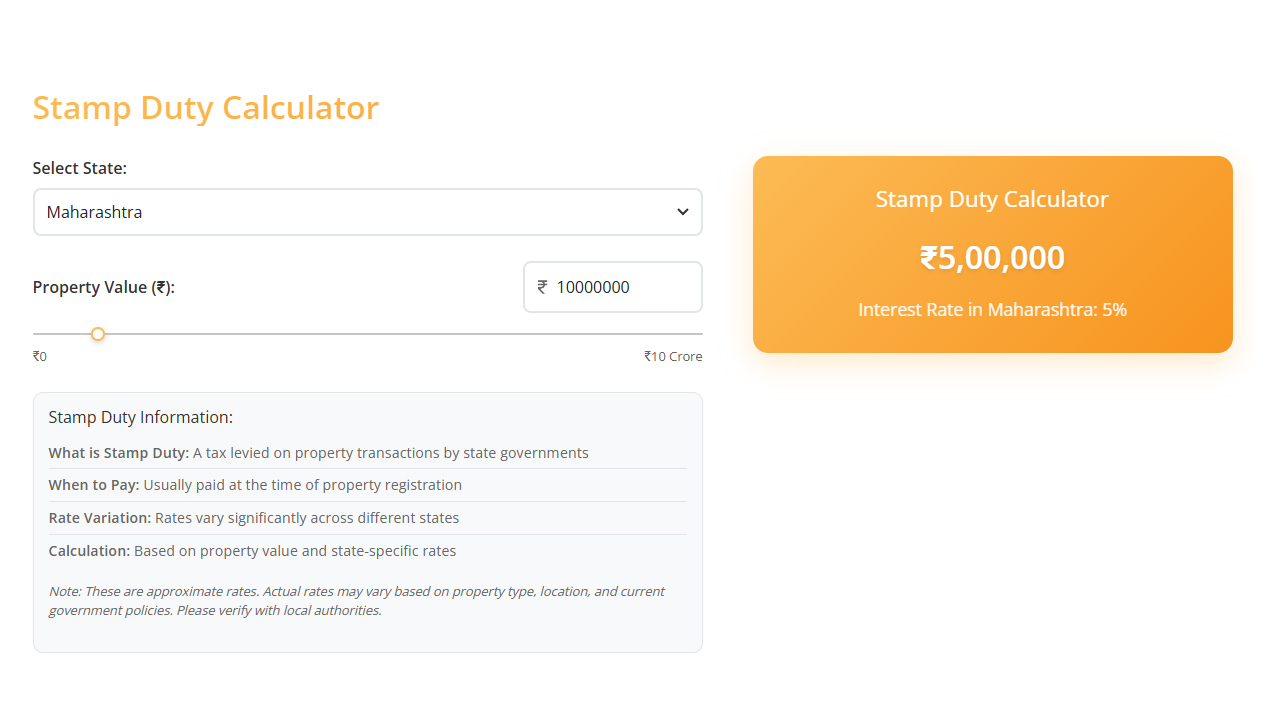
Determine the Circle Rate (minimum government-estimated value) of your property. Calculate the exact Stamp Duty and Registration fees required based on your state’s active regulations.
Have a professional legal expert or document writer draft the final Sale Deed. Gather all necessary documents needed to buy a house, alongside the identities and PAN cards of both parties.
Purchase non-judicial stamp papers or make an e-stamping payment through recognised government portals. Print the approved Sale Deed draft onto these stamped papers.
Log on to your state’s land revenue website to schedule an appointment time slot at the local Sub-Registrar’s office.
Visit the Sub-Registrar’s office with the seller, two witnesses, and the complete folder of documents for house registration. Sign the documents, complete biometric thumbprint scans, and capture official registration photographs.
Property disputes make up a substantial portion of Indian litigation. You can save yourself years of legal headaches by avoiding these common oversights:
Taking the time to compile and double-check this legal document checklist gives you absolute peace of mind, transforming your house purchase into a joyful milestone rather than a legal hurdle.
The sub-registrar office appointment typically takes 1 to 2 hours. However, preparing documentation, paying stamp duty online, and completing post-registration formalities means the end-to-end process takes 3 to 7 days depending on the state.
Buyers generally pay 4% to 8% of the property’s market value as stamp duty, plus an additional 1% registration fee. The final cost depends on the state, the property’s location (urban vs rural), and gender-based concessions.
While states allow online portal usage to input property details, calculate fees, upload documents, and book slot appointments, both buyer and seller must physically visit the sub-registrar office for biometric verification and final execution.
The Sale Deed is the core document that legally registers the transfer of property ownership from the seller to the buyer. Once executed and registered at the sub-registrar’s office, it serves as the ultimate proof of ownership.
The Sale Deed legally transfers title; the Mother Deed establishes the continuous chain of ownership; and the Encumbrance Certificate proves the property is free from legal liabilities or active mortgages. Together, they secure a clean title.
The registration focuses heavily on advanced pan-India digitisation, integrating automated Geographic Information System (GIS) land mapping with revenue records. States increasingly mandate e-signatures, block-level pan cards, and automated land mutation links directly at registration.
A Relinquishment Deed is a formal legal document used to renounce or give up one’s inherited rights in a specific property in favour of other co-owners. It must be signed voluntarily, witnessed, and registered to be legally binding.
A Sales Deed transfers property ownership in exchange for financial consideration (money) and attracts standard stamp duty. A Gift Deed transfers ownership voluntarily out of love or affection without any monetary exchange, often qualifying for lower stamp duty rates.
Yes. For new projects or under-construction apartments, RERA registration numbers and approved layout documents are strictly mandatory. Sub-registrars require these to prevent the illegal registration of unapproved structures or projects lacking valid regulatory compliance.


Chennai
99629 44444
Coimbatore
72993 70000
Bangalore
98848 00062
Delhi
97900 13840
Hyderabad
73581 35136
Pune
82200 34547
Dubai
44205777
NRI
91763 44444